Seaton Wetlands: What It Teaches Us About Creating Better Wetlands
Alongside the River Axe in East Devon, Seaton Wetlands provides an excellent example of what can happen when water is allowed to shape a landscape again.
The reserve is not simply one large pond. It is a connected collection of habitats spread across Seaton Marshes, Black Hole Marsh, Colyford Common and Stafford Marsh. Together, these areas include freshwater grazing marsh, reedbeds, ditches, seasonal scrapes, ponds, saltmarsh and an intertidal lagoon.
That variety is one of the reasons the site supports such an impressive range of wildlife. It also provides some valuable lessons for anyone considering a wildlife pond, farm wetland or larger habitat-restoration project.
From Drained Farmland to Valuable Wetland Habitat
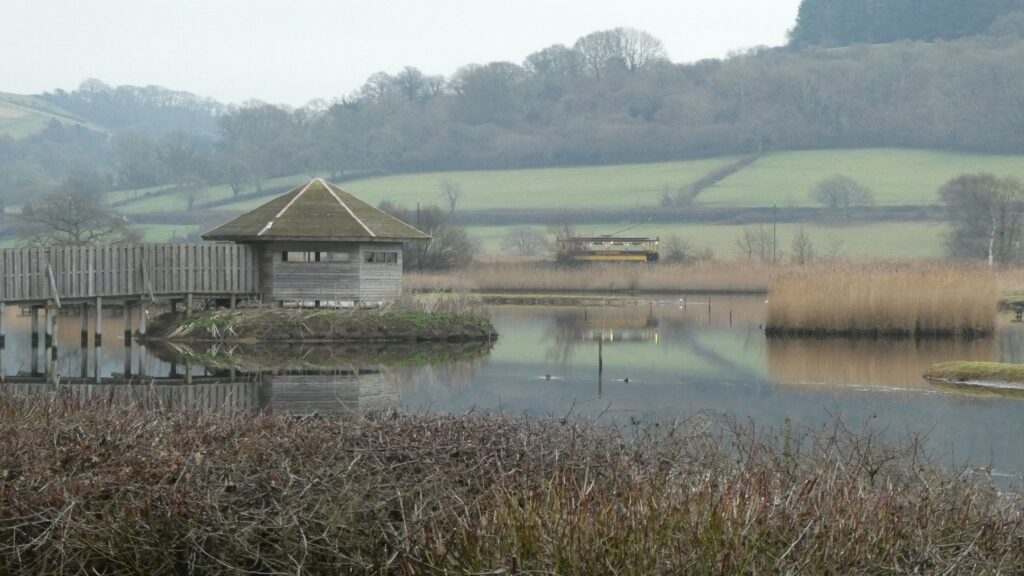
Black Hole Marsh is perhaps the clearest example of the transformation that has taken place.
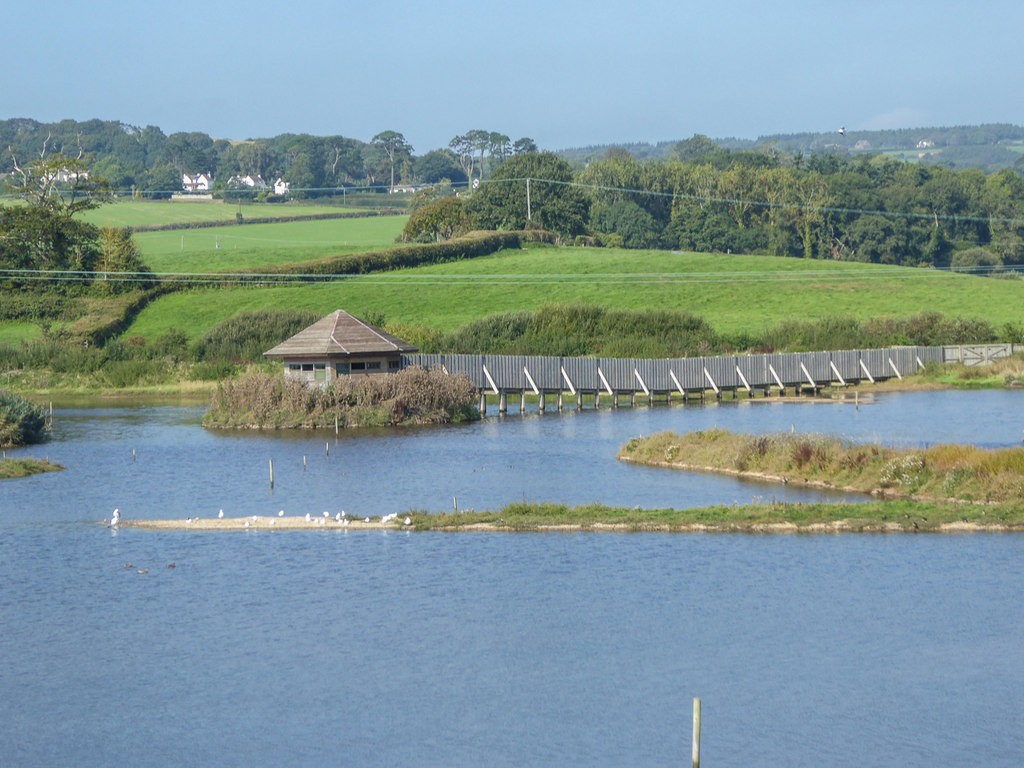
East Devon District Council purchased the land in 2008. At the time, it was a drained agricultural field with relatively little wildlife interest. A large, shallow scrape was created with islands and an innovative tidal exchange system, allowing water with the appropriate salinity to enter from the Axe Estuary. The resulting lagoon now supports molluscs and crustaceans, which in turn provide food for waders and wildfowl.
It is a powerful demonstration that land does not have to begin as an established nature reserve to become ecologically valuable. Given the right hydrology, landform and management, even heavily drained or modified ground can become productive wetland habitat.
The Importance of Understanding the Water
Successful wetland creation begins with hydrology.
Before deciding where a pond should go or how deep it should be, it is important to understand:
- where water currently enters the site;
- how the ground behaves during wet and dry periods;
- whether water is arriving from springs, surface runoff, groundwater or drainage;
- where water can safely overflow;
- and whether the underlying soil will naturally retain water.
This is why a wet area in a field should not automatically be treated as a drainage problem. Persistent wetness can indicate an opportunity to restore a naturally functioning part of the landscape.
On suitable sites, relatively small changes to levels or drainage can help water spread into shallow scrapes, wet grassland and connected ponds. Elsewhere, a clay, GCL or flexible liner may be needed to create reliable open water.
The objective should be to work with the existing movement of water wherever possible rather than forcing an unsuitable design onto the site.
Shallow Water Can Be More Valuable Than Deep Water
One of the most noticeable features at Seaton Wetlands is the amount of shallow water.
Shallow lagoons, muddy margins, gently shelving banks and periodically exposed ground provide feeding and breeding opportunities that a steep-sided, uniformly deep pond cannot offer. They warm quickly, allow marginal plants to establish and support dense populations of aquatic invertebrates.
Those invertebrates form the base of the wider food chain. Dragonflies, damselflies, amphibians, bats, birds and small mammals all benefit when a wetland produces abundant insect life.
This does not mean that deeper water has no value. Areas of greater depth can remain cooler, provide refuge during dry weather and help maintain permanent open water. However, the deepest point should usually form only one part of a much more varied profile.
For most wildlife projects, the margins are at least as important as the centre.
Create a Mosaic, Not Just One Pond
Seaton Wetlands succeeds because it contains several different but interconnected habitats.
The same principle can be applied on farms, estates and larger gardens. Instead of spending the entire budget on one large and deep excavation, a stronger habitat scheme might include:
- a permanent wildlife pond;
- one or two smaller seasonal ponds;
- shallow scrapes that fill during winter;
- wet grassland;
- reedbed or tall marginal vegetation;
- damp hollows and muddy margins;
- and undisturbed terrestrial habitat nearby.
Each area behaves differently throughout the year. A scrape may dry almost completely during summer while the main pond retains water. This is not necessarily a failure. Temporary water bodies can provide valuable habitat and may be less suitable for fish, which can benefit amphibians and aquatic invertebrates.
The result is a landscape with more ecological niches and greater resilience than a single, isolated waterbody.
Wetlands Need Space to Change
A wildlife pond is not a static ornament. Water levels rise and fall, plants spread, sediment moves and different species arrive over time.
At Seaton Marshes, freshwater grazing marsh, ditches, scrapes and the Borrow Pit Pond support changing seasonal communities. Winter can bring wildfowl and wading birds, while dragonflies and butterflies become more prominent during summer.
Good wetland design anticipates this change.
Banks should be profiled to remain stable at different water levels. Planting should use species suited to the expected depth and moisture. Overflow routes should be considered before construction begins, and enough space should be retained around the water for vegetation, maintenance and wildlife movement.
Trying to keep every margin permanently neat usually reduces its habitat value.
Connectivity Makes Individual Ponds More Valuable
A single wildlife pond can make a noticeable difference, particularly in a garden or developed landscape. However, connected habitats can achieve much more.
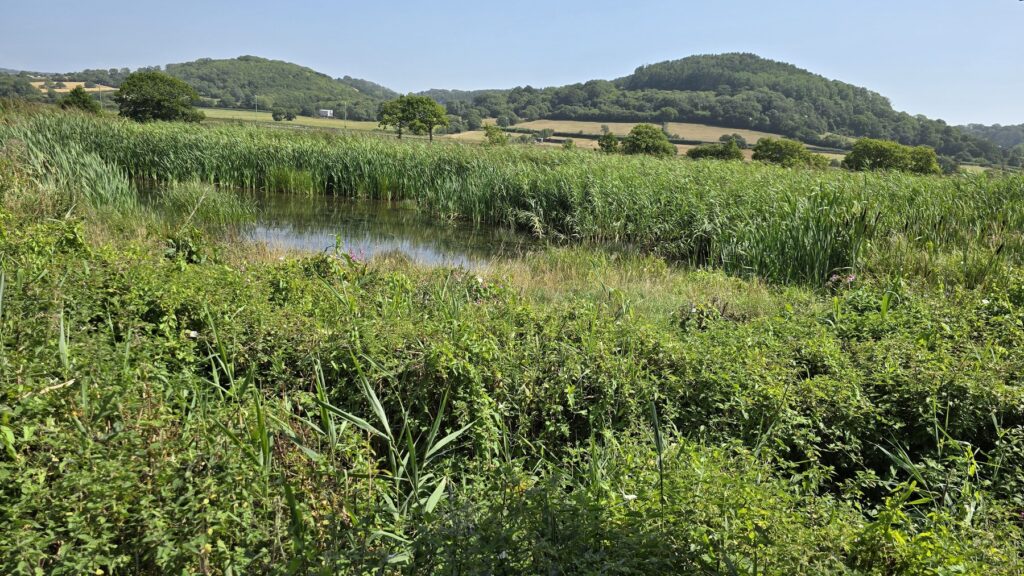
At Seaton Wetlands, ponds, ditches, reedbeds, grazing marsh and the River Axe form a broader network. Wildlife can move between feeding, sheltering and breeding areas rather than depending on one isolated feature.
The return of water voles to the River Axe and their later release at Seaton Wetlands illustrates the importance of suitable bankside vegetation and connected waterways. Habitat improvement and reconnection are essential if populations are to spread beyond small, isolated areas.
On a smaller project, connectivity might mean retaining a rough grass margin around a pond, linking it to a hedge, creating two ponds instead of one, or allowing a damp ditch to remain vegetated.
The land between ponds matters too.
Wetland Creation Can Deliver More Than Wildlife Habitat
Well-designed wetlands can perform several functions at once.
Depending on their position and design, nature-based water features can capture and slow runoff, store water temporarily, reduce sediment movement and help improve water quality. The Environment Agency recognises that these measures can range from small interventions within a single field to larger catchment-scale schemes.
However, these benefits should not be overstated. A pond or scrape will not automatically solve downstream flooding, drainage or pollution problems. Its contribution depends on the size of the catchment, soil conditions, available storage, overflow arrangement and how the feature connects with the wider drainage system.
This is why water-management objectives should be considered at the beginning of a project rather than added after the pond has already been designed.
Applying the Lessons of Seaton Wetlands
Most landowners will not have the space to recreate a reserve on the scale of Seaton Wetlands. Fortunately, the principles work at almost any size.
A garden pond can incorporate broad, shallow shelves, varied depths and densely planted margins.
A farm wetland can combine a permanent pond with seasonal scrapes and rough grassland.
An estate project can restore old ponds, interrupt unnecessary drainage and reconnect wet areas across the landscape.
The important questions remain the same:
Where does the water naturally want to go? What habitats are currently missing? How can the design create variety? What will happen during prolonged rainfall or drought? How will the site be managed in five, ten or twenty years?
A successful wetland should feel as though it belongs within the landscape rather than having simply been excavated into it.
Creating and Restoring Wetlands in Devon and Cornwall
At SAS Aquatics, we design and construct wildlife ponds, wetlands, seasonal scrapes and larger habitat-restoration schemes across Devon and Cornwall. Explore our wetland creation service in Devon and Cornwall or learn about pond restoration in Devon and Cornwall.
Our work can include initial site assessment, test holes, water-source and drainage investigation, concept planning, excavation, natural or lined construction, profiling, native aquatic planting and longer-term habitat enhancement.
Whether the opportunity is a persistently wet field corner, a degraded farm pond, an old drainage feature or a larger landscape-restoration project, we aim to create varied, functional habitats that work with the site’s existing hydrology.
Devon & Cornwall
Discuss Your Project
Planning a wildlife pond, natural swimming pond, wetland or habitat project? Send us your photos, videos and ideas and we’ll be happy to help.
Photo credits
- Seaton Wetlands reedbed: Lee Vilenski, via Wikimedia Commons, licensed under CC BY-SA 4.0. Image cropped for website use.
- Black Hole Marsh winter view: David Smith, via Wikimedia Commons, licensed under CC BY-SA 2.0. Image cropped for website use.
- Shallow lagoon and habitat islands: Christine Johnstone, via Wikimedia Commons, licensed under CC BY-SA 2.0. Image resized for website use.
- Black Hole Marsh island hide: Christine Matthews, via Wikimedia Commons, licensed under CC BY-SA 2.0. Image resized for website use.
Planning a pond, wetland or habitat project?
Send the location, photographs, approximate scale, access information and what you want the site to achieve. We will review the project and explain the most useful next step.
Explore our pond and habitat services for landowners Send project details