Aquatic Planting for Wildlife Ponds & Wetlands
Aquatic Planting for Wildlife Ponds & Wetlands
We design, supply and install native aquatic and marginal planting schemes for wildlife ponds, wetlands, natural swimming ponds and pond restoration projects across Devon and Cornwall.
This service is aimed at larger planting projects, new pond builds, pond refurbishments, wetland creation, rewilding projects and habitat restoration work. It is not intended for small retail plant orders or customers looking to buy just a few individual pond plants.
If you are creating or restoring a wildlife pond, wetland margin, natural swimming pond or larger habitat feature, we can help select, source and install the right plants so the project establishes properly and delivers real wildlife value.
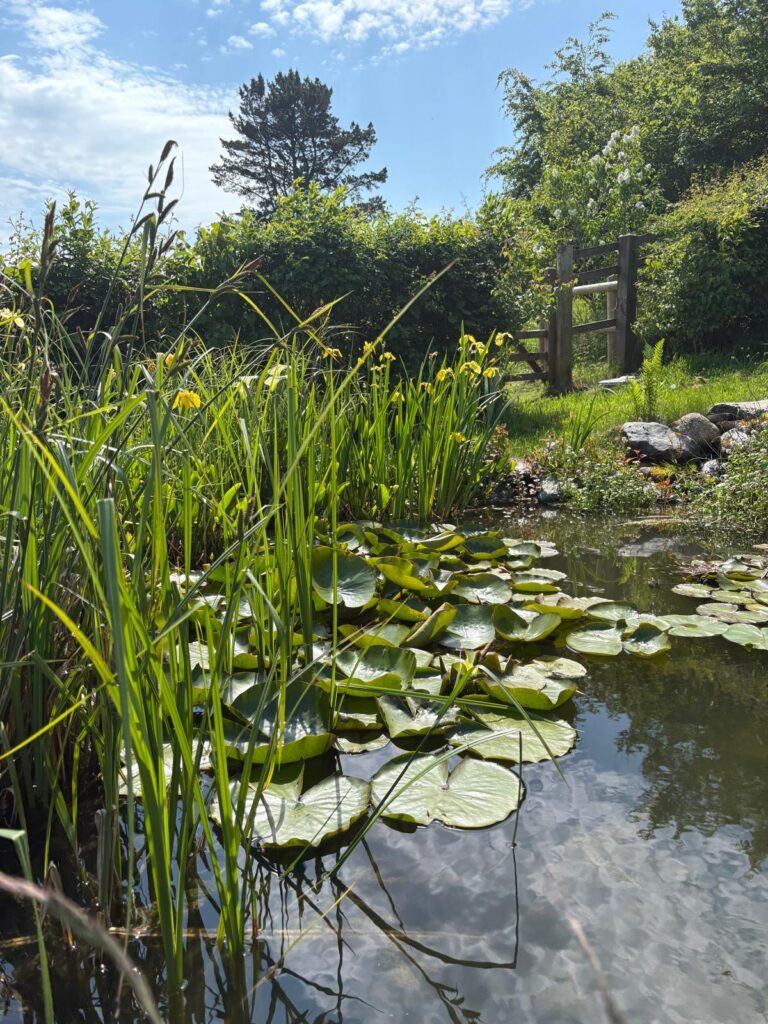
Planting as part of pond and habitat creation
Planting is one of the most important parts of a successful wildlife pond or wetland project.
The right mix of native aquatic, marginal and damp ground plants can soften edges, stabilise margins, improve habitat structure, provide shelter, support pollinators and help the pond become part of the surrounding landscape.
We usually provide aquatic planting as part of:
• New wildlife pond creation
• Larger garden pond builds
• Farm and estate pond projects
• Wetland creation
• Scrapes and seasonal pond projects
• Pond restoration and refurbishment
• Natural swimming pond planting
• Rewilding and habitat creation projects
• Large scale marginal planting
• Establishment planting after pond excavation or relining
For many projects, this may involve a trolley load of plants or more, rather than a small handful of individual plants.
Native and wildlife focused planting
Our focus is on native and wildlife friendly planting that supports biodiversity and suits the site.
A good planting scheme may include:
• Marginal plants for shallow shelves
• Oxygenating plants for submerged habitat
• Floating leaved plants for shade and cover
• Wetland edge plants
• Damp ground plants around pond margins
• Pollinator friendly flowering plants
• Structural plants for amphibians and invertebrates
• Planting to soften and hide liner edges
• Planting to connect the pond with surrounding meadow, grassland or wetland
We select plants based on the pond design, water depth, sunlight, soil, water source, liner type, wildlife aims and how natural or managed the finished project needs to look.
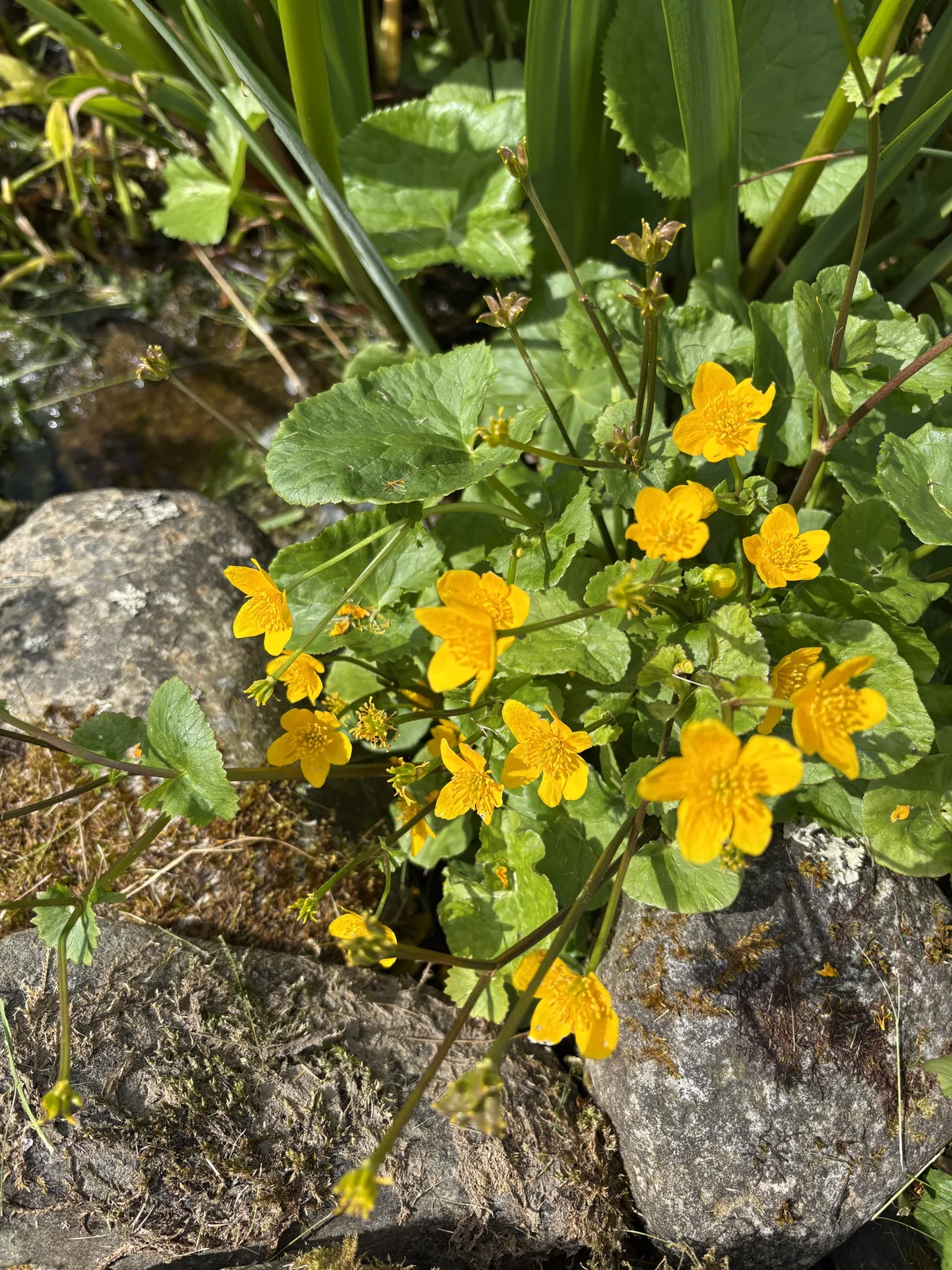
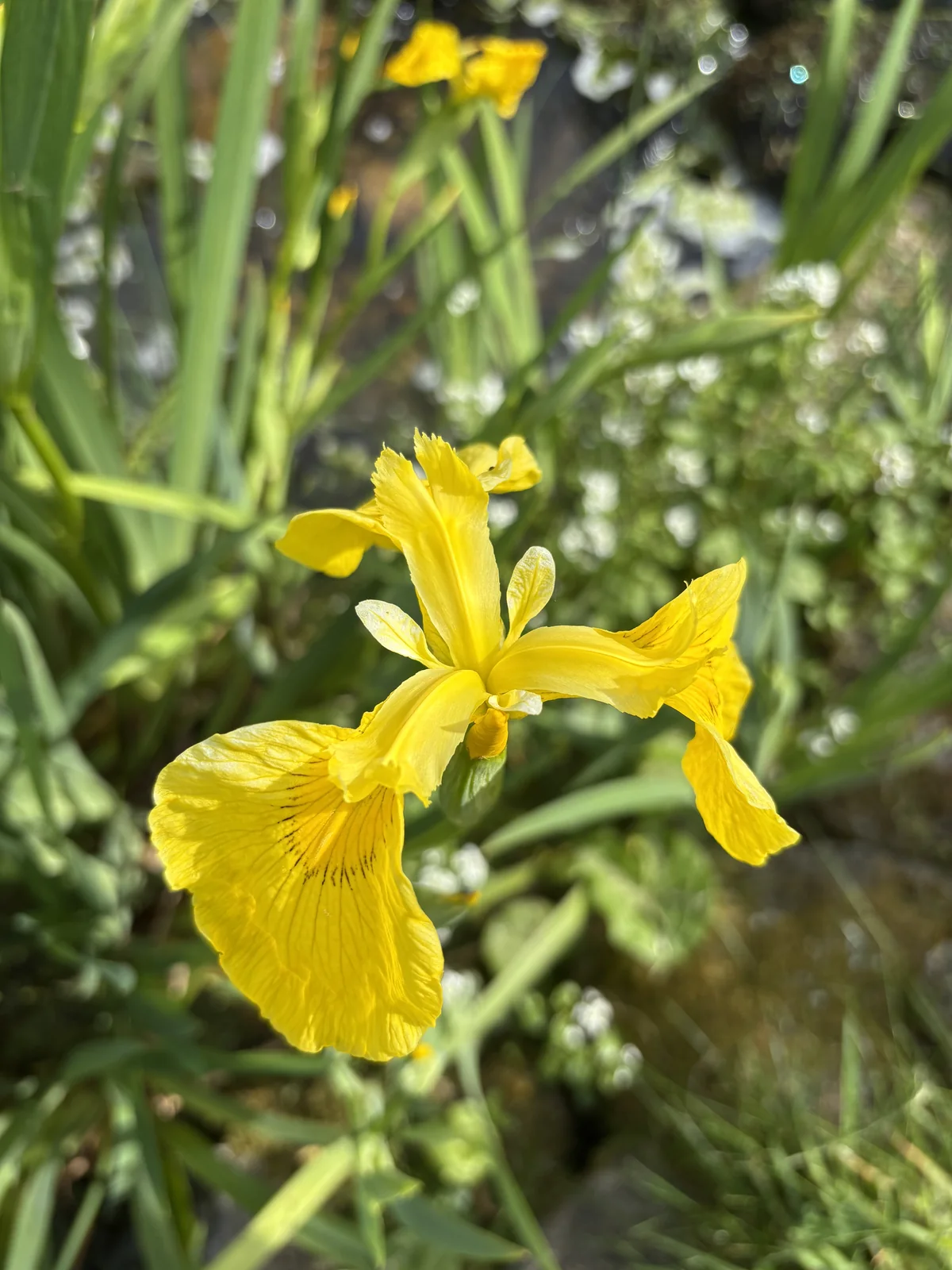
Larger scale planting schemes
This service is best suited to projects where planting forms a meaningful part of the overall pond or wetland design.
Examples include:
• Planting a newly built wildlife pond
• Replanting a refurbished or relined pond
• Creating planted shelves around a large pond
• Establishing wetland margins on a farm or estate
• Planting regeneration zones in a natural swimming pond
• Adding marginal planting to restore a tired pond
• Creating a pond and wetland mosaic for wildlife
• Planting a rewilding or nature recovery project
If you only need a few individual plants for a small pond, a local aquatic plant nursery or garden centre is likely to be more suitable.
Wildlife pond planting
Wildlife ponds rely on good planting to become useful habitat.
The most valuable areas are often the shallow margins, where amphibians, dragonflies, damselflies, beetles, birds and small mammals can move between water and land.
For wildlife ponds, we may include:
• Shallow shelf planting
• Native marginal plants
• Oxygenating plants
• Floating leaved plants
• Wetland edge planting
• Damp ground planting around the pond
• Plants for cover, nectar and structure
• Planting to support natural pond balance
The aim is to create a pond that improves over time as the planting establishes and wildlife moves in.
Wetland and scrape planting
Wetland planting is different from standard garden pond planting.
Scrapes, seasonal ponds, wet margins and boggy ground often need plants that can cope with fluctuating water levels, wet soil and occasional drying.
We can supply and install planting for:
• Wetland margins
• Scrapes
• Seasonal ponds
• Silt traps
• Damp grassland edges
• Swales and shallow wet features
• Farm and estate wet areas
• Rewilding and habitat creation schemes
These features can be highly valuable for wildlife, especially when planted with species that suit the site rather than ornamental pond plants.
Pond restoration planting
Older ponds often have poor, missing or overgrown planting.
As part of a pond refurbishment or restoration, we can improve the planting structure to make the pond more natural, more attractive and more valuable for wildlife.
Where invasive plants are suspected, identification and control come before replacement planting. See our invasive aquatic and wetland plant control service for a staged approach to control and habitat recovery.
This may include:
• Removing unsuitable or excessive plants
• Rebuilding planted shelves
• Replacing tired planting
• Adding native marginal plants
• Creating softer pond edges
• Improving habitat around the pond
• Adding wetland edge planting
• Balancing open water and vegetation
This is especially useful after desilting, relining, reshaping or clearing an old pond.
Natural swimming pond planting
Natural swimming ponds need planting that works with the swimming area, planted zones, circulation, filtration and maintenance approach.
We can supply and install aquatic and marginal planting for:
• New natural swimming ponds
• Regeneration zones
• Planted margins
• Wetland edge planting
• Swimming pond refurbishments
• Seasonal swimming pond maintenance and replanting
The planting needs to be attractive, manageable and suited to the system, not just decorative.
How we choose the right plants
Every pond and wetland site is different.
We consider:
• Pond size
• Shelf depths
• Water level changes
• Sunlight and shade
• Liner or clay system
• Soil and planting media
• Water source
• Nutrient levels
• Whether fish are present
• Wildlife aims
• Surrounding habitat
• Maintenance expectations
• How natural the finish should be
The aim is not just to fill the pond with plants. It is to create a balanced planting structure that supports the project long term.
When is the best time for aquatic planting?
Spring and early summer are usually the best times for aquatic and marginal planting, as plants have the growing season ahead of them.
Autumn can also work for some schemes, especially where the pond or wetland has already been created and conditions are suitable.
Winter is usually better for planning, excavation, restoration or preparation, with planting often following once temperatures and growth conditions improve.
Our planting process
1. Initial enquiry
Send us photos or videos of the pond, wetland or project area, along with the location, approximate size, water depth and what you want the planting to achieve.
2. Project suitability
We check whether the project is the right fit for our planting service. We are best suited to larger planting schemes, restoration projects, new pond builds, wetland planting and habitat creation work.
3. Planting approach
We suggest a practical planting approach based on the pond type, depths, margins, wildlife aims and site conditions.
4. Plant supply
We source suitable native and wildlife friendly aquatic, marginal and wetland plants.
Plant availability varies by season, so the final species mix may depend on what is suitable and available at the time.
5. Installation
We install the plants into shelves, planted beds, baskets, wetland margins or damp ground areas depending on the project.
Where needed, this can be combined with shelf improvement, edge work, planting media, protection from wildlife or wider pond refurbishment.
6. Establishment advice
We advise on water levels, early growth, maintenance and what to expect as the planting settles in.
Do pond plants improve water quality?
Pond plants can support water quality, but they are not a complete fix on their own.
Healthy planting can absorb nutrients, provide shade, support beneficial wildlife and help compete with algae. However, if a pond has too much silt, fish waste, leaf litter, poor circulation or nutrient input, those issues may need to be addressed as part of a wider refurbishment or management plan.
Why choose SAS Aquatics?
SAS Aquatics specialises in wildlife ponds, wetlands, natural swimming ponds and pond restoration across Devon and Cornwall.
We understand how planting fits into pond design, construction, restoration, water quality and habitat creation.
Clients choose us because:
• We focus on native and wildlife friendly planting
• We design planting around the pond and site conditions
• We supply and install larger scale planting schemes
• We can combine planting with pond creation or restoration
• We work on gardens, farms, estates and wetlands
• We understand liners, shelves, margins and water depth
• We create planting schemes that improve with time
Areas we cover
We provide aquatic planting for pond and wetland projects across Devon, Dartmoor and Cornwall.
Common areas include:
• Dartmoor
• Exeter
• Plymouth
• Tavistock
• Okehampton
• Moretonhampstead
• Bovey Tracey
• Kingsbridge
• Totnes
• South Hams
• Mid Devon
• North Cornwall
• West Cornwall for suitable projects
For larger pond, wetland or rewilding projects, we may travel further by arrangement.

Devon & Cornwall
Discuss Your Project
Planning a wildlife pond, natural swimming pond, wetland or habitat project? Send us your photos, videos and ideas and we’ll be happy to help.
Do you sell individual pond plants?
No, not as a standard retail service. Our aquatic planting work is aimed at larger planting schemes, pond builds, pond restorations, wetland projects and habitat creation work rather than small individual plant orders.
What size project is this service best suited to?
This service is best suited to projects needing a meaningful amount of planting, such as a newly built pond, a restored pond, a natural swimming pond, a wetland margin or a larger wildlife planting scheme.
Do you use native pond plants?
Yes, our focus is on native and wildlife friendly aquatic, marginal and wetland plants suited to the pond and surrounding habitat.
Can you plant an existing pond?
Yes. We can plant existing ponds where the project is large enough and the pond is suitable. This is often part of a refurbishment, restoration or habitat improvement project.
Can you plant a newly built pond?
Yes. Planting new wildlife ponds, wetlands and natural swimming ponds is one of the best uses of this service.
Can plants help with blanket weed or algae?
Plants can help support a healthier pond balance, but algae and blanket weed are often linked to excess nutrients, sunlight, fish waste or poor water quality. Planting may need to be combined with desilting, nutrient reduction or other improvements.
Do you plant natural swimming ponds?
Yes. We can supply and install aquatic and marginal planting for natural swimming ponds, including planted regeneration areas and pond margins.
Can you plant wetland margins and scrapes?
Yes. We can plant wetland margins, scrapes, seasonal ponds and damp ground areas as part of wider habitat creation or restoration work.
When is the best time to plant?
Spring and early summer are usually best, although some planting can be done in autumn depending on the species and site conditions.
Start your aquatic planting project
If you need native aquatic and marginal planting for a wildlife pond, wetland, natural swimming pond, pond restoration or habitat creation project, we can help design, supply and install the right planting scheme.
To get started, send us:
• Your location
• Photos or videos of the pond or wetland area
• Approximate pond size and depth
• Whether the pond is new or existing
• Whether fish are present
• What you want the planting to achieve
• Whether this is part of a wider creation or restoration project
We will come back with the best next steps.
Find out how we can help you, by speaking to one of our pond specialists today.