Pond & Lake Desilting, Silt Removal & Restoration
Pond & lake desilting · Devon & Cornwall
Recover the water—not just the space
Practical desilting and wider restoration for farm ponds, estate lakes, fisheries, wildlife ponds and larger waterbodies that are losing depth, open water or function.
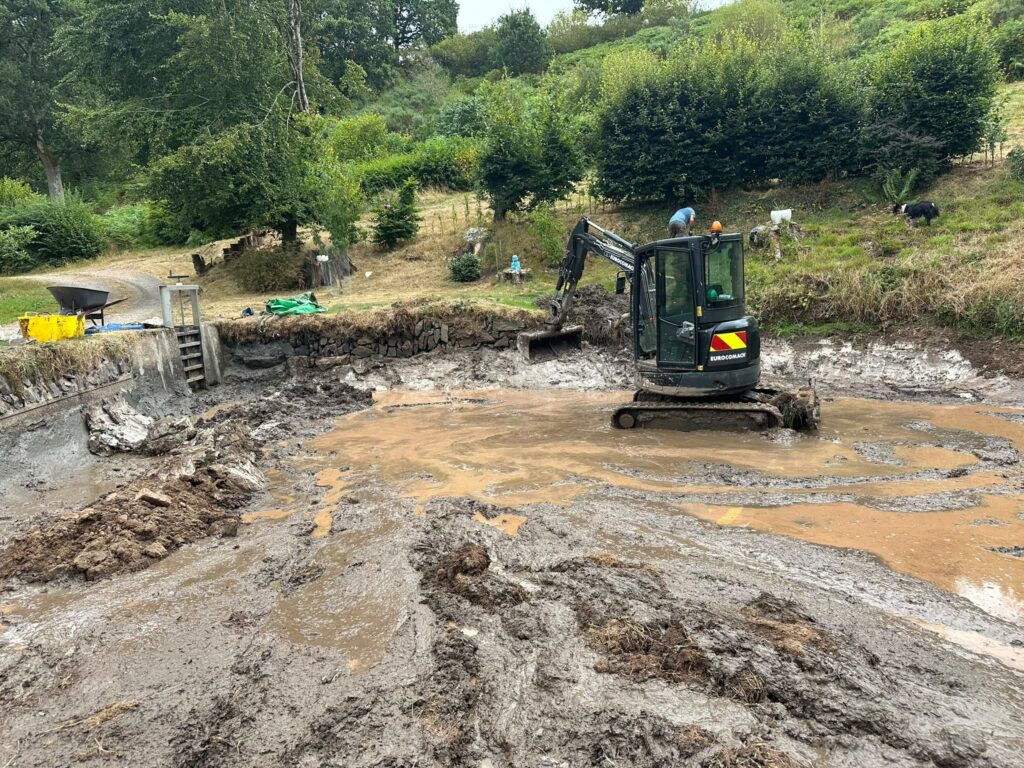
Site-led from the outsetWater, access, wildlife, silt handling and the condition beneath the sediment all shape the right method.
Choose the intervention, not a standard package
Three routes to recover a struggling waterbody
Complete clearance is not always necessary—or desirable. The aim is to retain useful habitat while restoring the depth, water movement and open-water balance the site needs.
Targeted silt removal
Clear a blocked outlet, reopen a channel, recover selected deeper areas or remove the material causing one specific failure without disturbing the whole pond.
Phased restoration
Work in planned stages to preserve refuge areas, manage budgets and gradually rebalance open water, established vegetation and future maintenance access.
Full desilting & restoration
Combine mechanical silt removal with bank, inlet, outlet, clay, liner or habitat work where the waterbody needs more than excavation alone.
Small domestic pond? If the work mainly involves a drain-down, fish holding, filter cleaning, plant reduction or routine sludge removal, our maintenance service is the better route.
View pond maintenance →When intervention makes sense
Some sediment is habitat. Too much can remove the pond.
A healthy restoration does not leave a sterile bowl. It responds when accumulated material is preventing the waterbody from holding depth, moving water safely or continuing to provide the intended wildlife, amenity or land-management value.
Open water has become shallow, marshy or seasonally dry.
Reeds, lilies, iris or root mats now dominate most of the waterbody.
Inlets, outlets, overflows or sluices are blocked or inaccessible.
Soft sediment covers most of the bed and circulation is repeatedly poor.
Leaks, failed clay, damaged liners or structural problems may be hidden below the silt.
The pond has lost fishing, amenity, habitat or water-management function.
A controlled restoration process
From photographs to a workable site method
Good planning prevents machinery, wet material and water-management problems from becoming expensive surprises once the work has started.
Start with the evidence
We review photographs, dimensions, access, water depth, history and where removed material might remain.
Visit where needed
Larger or uncertain projects move to a paid site assessment covering silt, structures, water and machinery access.
Define the method
We agree lowering or bypassing water, wildlife measures, machinery, deposition areas and the restoration scope.
Remove with purpose
Targeted or wider excavation reopens depth and channels while retaining habitat areas where they remain useful.
Leave it functioning
Banks, structures and habitat are repaired or reshaped, with future sediment and maintenance considered.
Professional site assessment from £500 + VAT. We review the submitted information first, then confirm the appropriate visit scope and fee before anything is booked.
Follow-on credit: £250 + VAT is credited to the first works invoice when SAS Aquatics is commissioned within six months for qualifying construction or major refurbishment of £10,000 + VAT or more. Written reports, specialist work and travel supplements are excluded; eligibility is confirmed before the visit.
The practical decisions
What usually determines the real scope and cost
These are not side issues. They decide which machines can work, how efficiently material can move and whether the project can protect the site while achieving a worthwhile result.
Can the machinery work safely?
Gateway width is only one part of access.
- Tracks, gradients and soft ground
- Overhead trees, cables and structures
- Turning and loading areas
- Distance between water and deposition area
Where can the material remain?
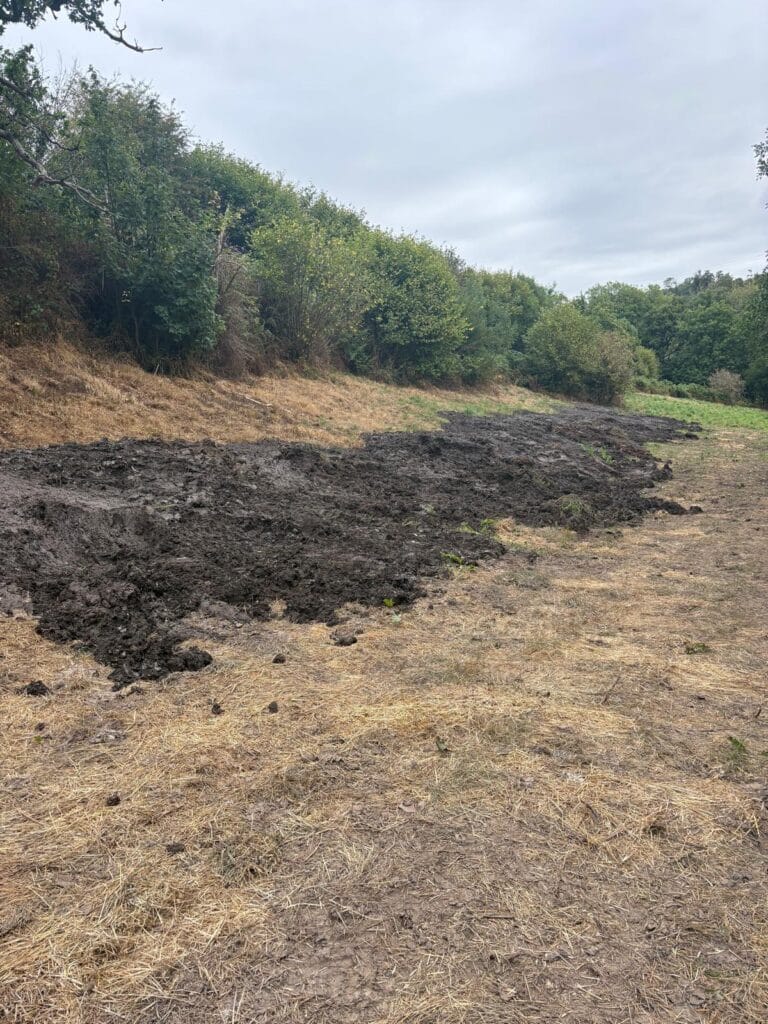
Keeping suitable material on the property is often far more economical than transporting wet sediment away.
- Drying or temporary storage areas
- Regrading banks or forming low bunds
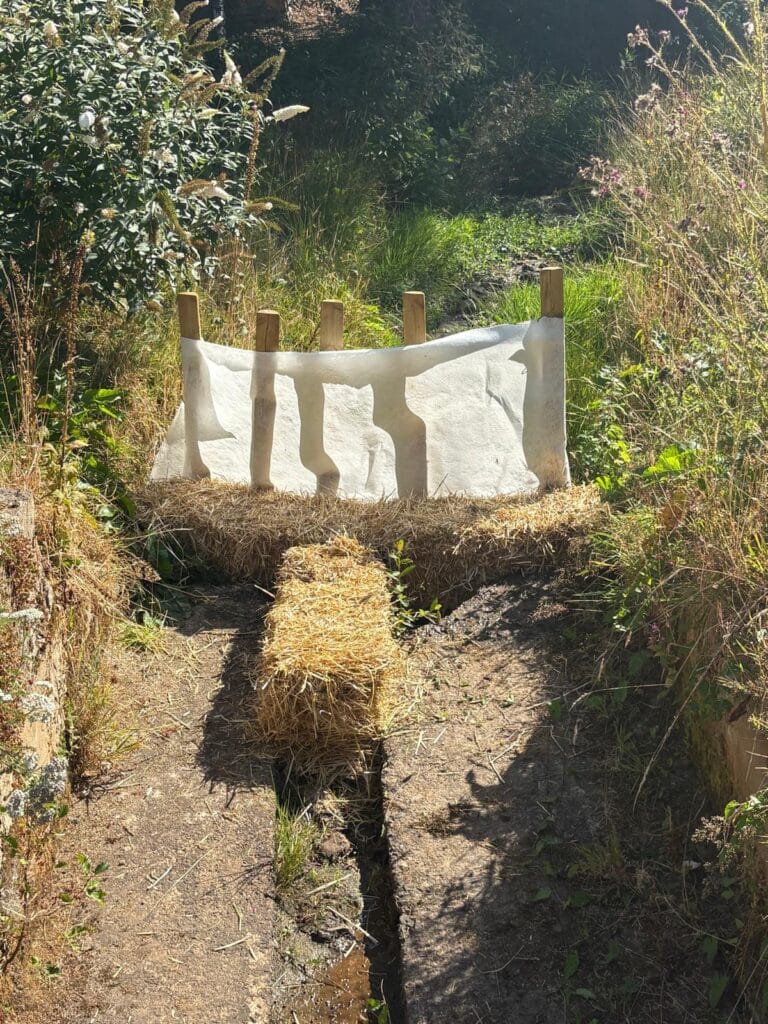
- Preventing runoff back into watercourses
- Off-site disposal only when specifically scoped
How is the pond lowered responsibly?
The method follows the water source, season and what is living in the pond.
- Controlled pumping or temporary bypass
- Fish holding and refuge areas
- Phased work to reduce disturbance
- Managing inflows during excavation
What will the silt reveal?
Excavation can expose the underlying reason the pond is struggling.
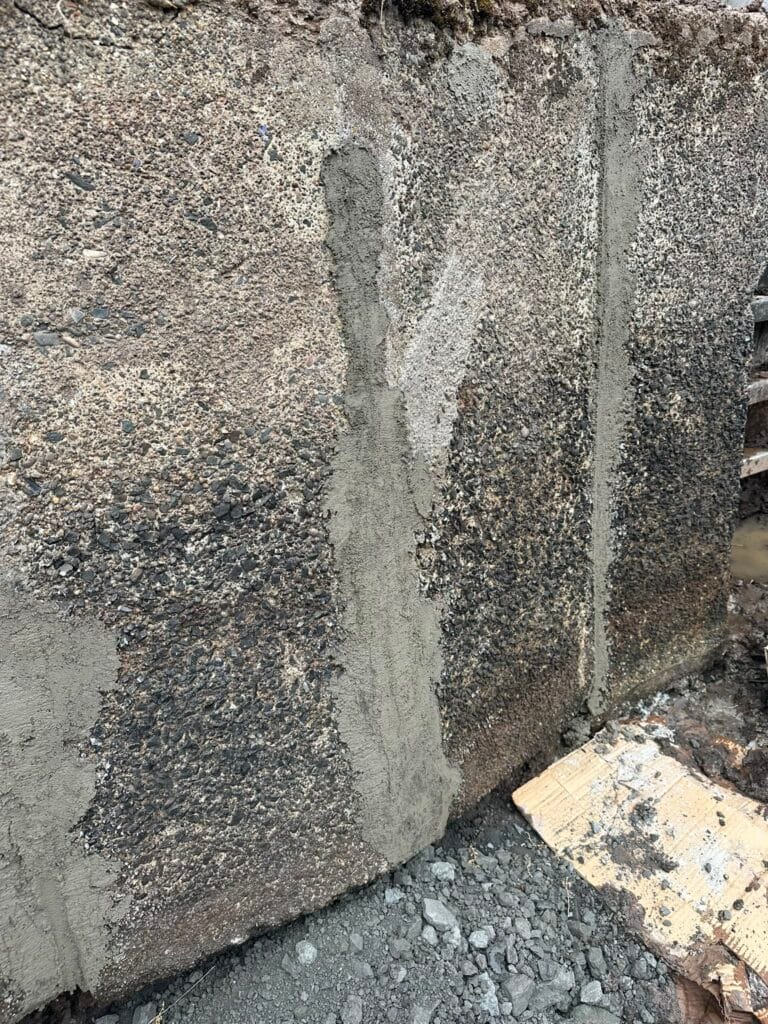
- Failed clay or damaged liners
- Blocked pipes, sluices and overflows
- Collapsed or eroded banks
- Continuing sediment and nutrient inputs
More than excavation
Resolve why the pond was being lost
Desilting is the opportunity to address the source of the problem: eroded inflows, failed outlets, steep banks, nutrient-rich runoff, unrestricted livestock access or a lack of places for future sediment to settle.
Where appropriate, the restoration can add silt traps, varied depths, stable banks, shallow habitat margins, native aquatic planting and access for future care.
Where suspected invasive plants are present, identification and containment must shape the excavation plan. See our invasive aquatic and wetland plant control service for staged control alongside restoration.
Restoration scope
Leave a waterbody that is easier to manage
The right outcome is not simply a larger hole. It is a pond or lake with purposeful depths, working structures, stable margins and a realistic long-term maintenance route.
Work may include
- Reopening deep water and channels
- Inlet, outlet, sluice and overflow repairs
- Bank regrading and stabilisation
- Clay or liner investigation and repair
- Silt traps, settlement areas and reedbeds
- Native planting and habitat margins
Work may need coordination with
Larger or sensitive sites can require ecological, engineering, planning, permitting or specialist waste advice. We identify these boundaries early and can work alongside the appointed adviser rather than overstate what desilting alone will solve.
Budgeting honestly
The volume is only one part of the price
We use the initial information to judge whether a budget range is useful. A detailed quotation follows once the site, working method and responsibilities are sufficiently clear. Our pond and lake project cost guide explains typical machinery-led desilting and restoration ranges.
Main cost drivers
- Waterbody size, water depth and silt distribution
- Machinery access and ground conditions
- Lowering, diverting or bypassing water
- Vegetation, roots and buried debris
- Distance to the silt deposition area
- Structural, bank or habitat work
- Mobilisation, travel and accommodation
Scope before machinery
For larger or more complicated projects, the assessment establishes the practical method, major risks and information needed for a credible quotation.
Common questions
Before the site is assessed
Clear photographs of the waterbody, access, inlets, outlets and possible silt-retention areas make the first review much more useful.
Can the removed silt remain on my land?
Usually, and this is often the most economical route. It needs a stable area where the material can drain and dry without washing back into the pond, a ditch, stream or other watercourse.
Can you take all the silt away?
Potentially, but transporting wet material can be expensive. Off-site removal, transport and disposal are assessed separately and should not be assumed unless they are specifically included in the quotation.
What happens to fish and wildlife?
The response depends on what is present and the season. It may involve temporary holding, phased work, retained refuge areas, controlled water lowering or scheduling the work for a more appropriate period.
Will desilting repair a leaking pond?
Not by itself. Removing sediment may expose damaged clay, a failed liner, animal damage, a leaking pipe or a problem around an outlet. The appropriate repair can then be assessed.
Do you repair inlets, outlets and sluices?
Yes, where the required work falls within our practical scope. Blocked pipes, eroded inlet channels, overflows and water-control structures can be considered as part of the wider restoration.
Do you provide free site visits?
No. We first review the submitted photographs, dimensions, access information and project description. Larger or complex sites normally move to a paid professional assessment, with the scope and fee confirmed before booking.
How far do you travel?
Our core area is Devon and Cornwall. Larger projects farther away can be considered where the scope supports the additional mobilisation, travel and accommodation.
Start with the site
Show us what the waterbody has lost
Send the location, approximate dimensions, photographs of the pond or lake, machinery access and possible areas for retaining the material. We will review the evidence and advise on the most useful next step.
See our historic pond desilting and structural repairs project in North Devon.