Leaking pond investigation and repair
A structured approach to suspected leaks, failing liners, porous construction, damaged edges and water-level problems—followed by a repair suited to the actual cause.
Pond restoration · Devon & Cornwall
Cause-led investigation and practical restoration for leaking, silted, overgrown or poorly functioning ponds and lakes.
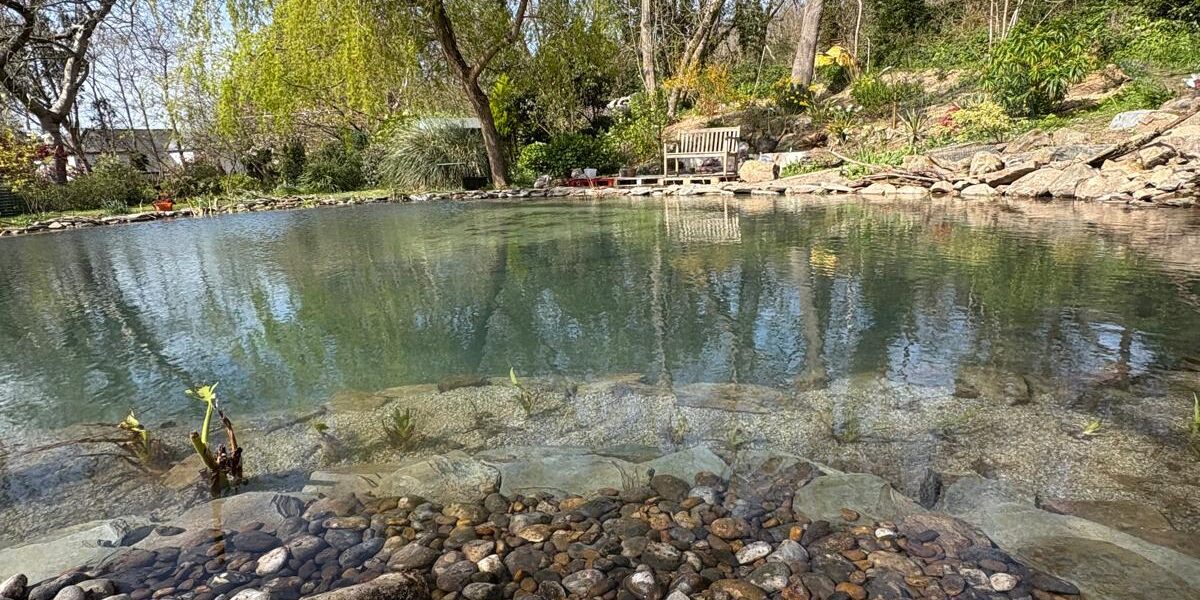
Repair the cause, not just the symptomWater loss, silt, profile, edges, planting and access are considered before the scope is fixed.
Pond and lake restoration
SAS Aquatics investigates and restores leaking, silted, overgrown and failing ponds across Devon and Cornwall, from garden ponds to substantial rural and estate waterbodies.
A repair only lasts when the cause is understood. We look at water loss, silt, banks, edges, liners, inflows, planting and access before recommending where the work and budget will make the greatest difference.
A restoration in practice
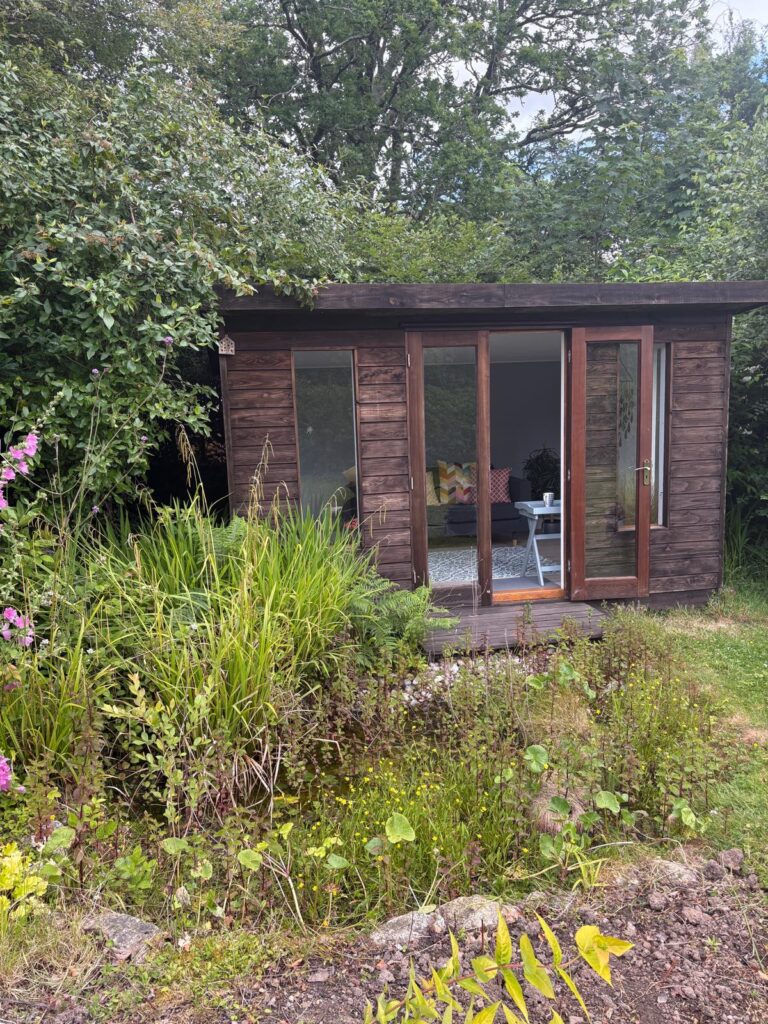
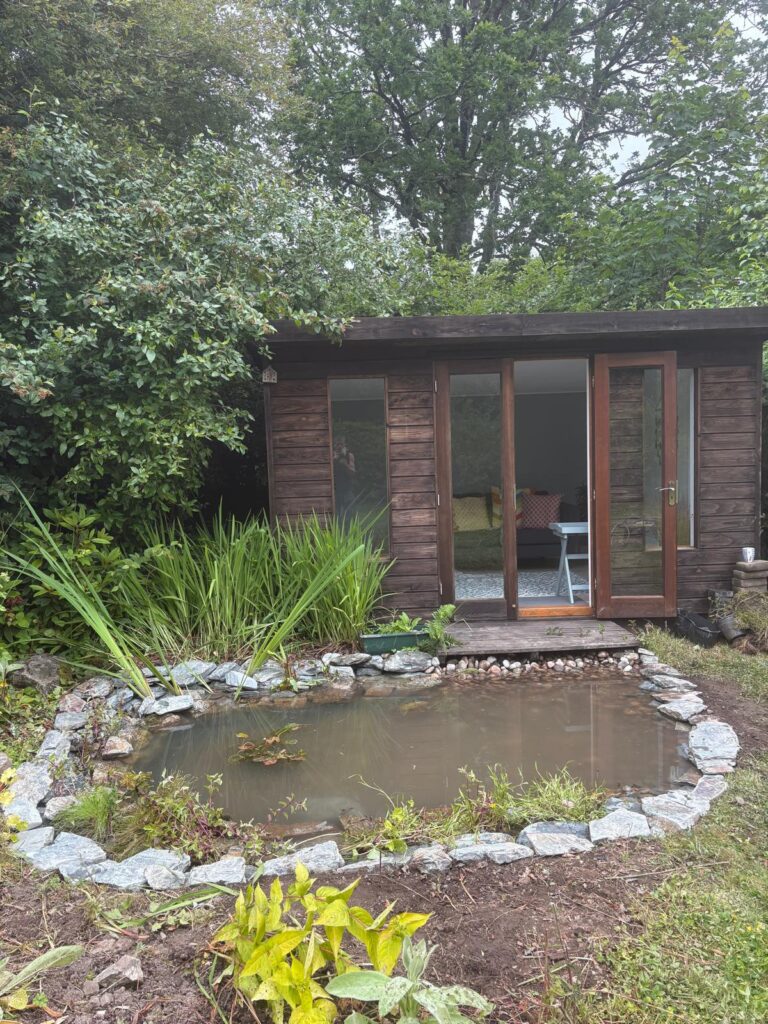
Restoration pathways
Restoration can be a focused repair or a substantial programme of desilting, reprofiling, relining and habitat improvement. We help define the right level of intervention.
A structured approach to suspected leaks, failing liners, porous construction, damaged edges and water-level problems—followed by a repair suited to the actual cause.
Planning and delivery for accumulated silt, reduced depth and declining water quality, with access, dewatering, material handling and habitat carefully considered.
Relining, structural and edge work, equipment rationalisation, reprofiling and finishing for waterbodies that need more than a localised repair.
Improving margins, depths, banks, planting and ecological value so a restored pond becomes more resilient and more useful to wildlife.
When to involve us
We are a strong fit when the problem is persistent, the waterbody matters to the landscape or estate, or the work needs experienced construction planning rather than another temporary fix.
Not sure where to start? Tell us about the site →How we work
The aim is a proportionate solution with a clear reason behind it—not the largest possible scope and not a cosmetic patch.
We review how the waterbody has changed, when problems occur, previous repairs, photographs and known construction details.
A site assessment considers water level, lining, banks, silt, inflows, vegetation, equipment, ecology and practical access.
We define the recommended intervention, identify risks and specialist inputs, and set out how the work can be delivered.
Works are completed with care for retained features, followed by habitat detailing and guidance for refilling and establishment.
When a site visit is worthwhile
We review the submitted details and photographs first, at no charge. A paid assessment is recommended only where the site, diagnosis or design needs to be understood before useful advice or a credible quotation can be given.
Typically included: a site meeting and practical inspection, discussion of the main constraints and options, and a concise follow-up summary with realistic next steps and early budget guidance where possible. Detailed design, measured surveys, formal reports, specialist advice and extra travel are quoted separately.
Follow-on credit: £250 + VAT is credited to the first works invoice when SAS Aquatics is commissioned within six months for qualifying construction or major refurbishment of £10,000 + VAT or more. Eligibility is confirmed before the visit.
For typical refurbishment and leak-repair ranges, see our professional pond-cost guide.
Start a restoration enquiryCommon questions
Often we can narrow down the likely cause from history, water-level behaviour and a site assessment. Some sites require monitoring or staged investigation before the repair scope is confirmed.
Yes. Relining may involve removing or working over failed material, correcting the profile and protecting the new lining system. The appropriate method depends on the pond and ground conditions.
Yes, subject to access, volumes, water management, ecology and a suitable plan for handling the removed material. Larger projects benefit from early investigation and realistic logistics.
Yes. Reprofiling margins, varying depths, retaining suitable habitat and introducing appropriate planting can substantially improve the ecological function of a restored waterbody.
Start a conversation
Send the location, photographs, approximate dimensions and a short history of the problem. We will review the information and guide you towards the right next step.