Silt removal and capacity recovery
Planning for accumulated silt, reduced depth and failing open-water habitat, including access, dewatering, material handling and the value of targeted or phased removal.
Lakes & large ponds · Devon & Cornwall
Practical, site-led restoration for silted, overgrown and underperforming lakes and larger ponds.
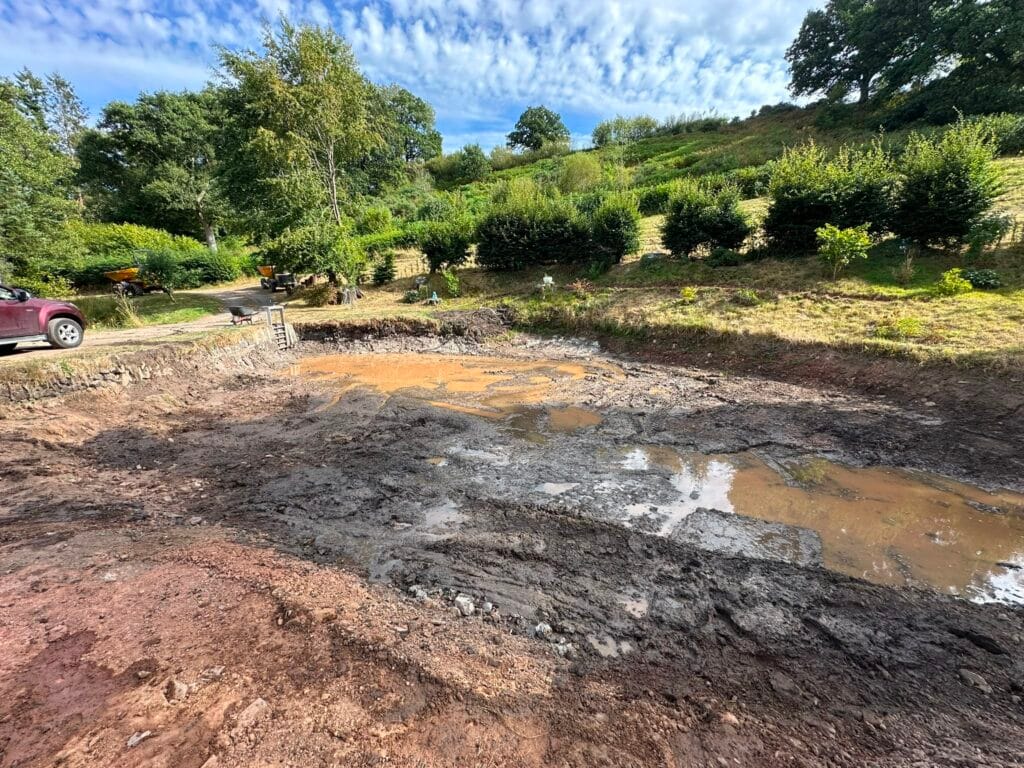
Logistics shape the viable solutionWater, access, ecology and the handling of removed material are defined before machinery arrives.
Lake and large pond restoration
SAS Aquatics plans and delivers restoration for silted, overgrown and underperforming lakes and large ponds across Devon and Cornwall, with a practical focus on rural, farm, estate, organisational and community sites.
Larger waterbodies need early decisions about hydrology, access, ecology, water management and where removed material can go. Those logistics shape the realistic scope, programme and budget.
Restoration priorities
Some sites need desilting. Others need bank work, outlet repairs, vegetation management or a wider habitat plan. We help separate the cause from the visible symptoms.
Suspected invasive plants need identification and containment before clearance. Our invasive aquatic and wetland plant control can form part of a staged lake restoration programme.
Planning for accumulated silt, reduced depth and failing open-water habitat, including access, dewatering, material handling and the value of targeted or phased removal.
Restoring a workable balance between open water and vegetation while protecting useful habitat, improving edge structure and reducing rapid recolonisation.
Investigating damaged or blocked structures, erosion, overflow routes and unexplained water-level behaviour before defining repair or reconstruction work.
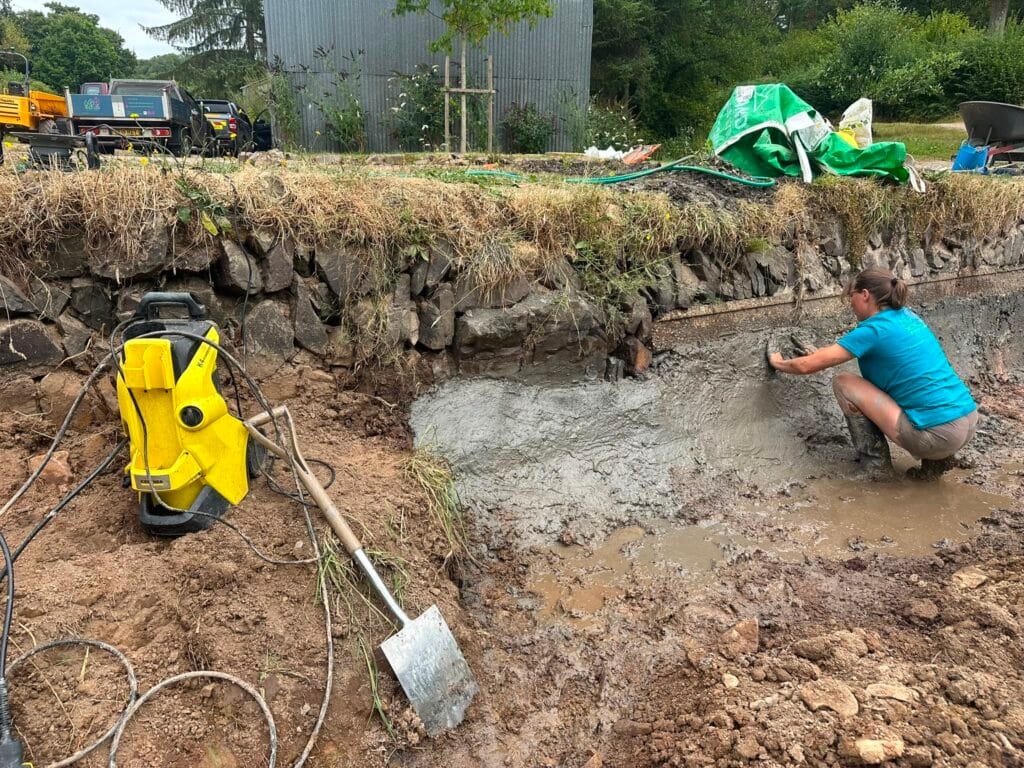
Reprofiling margins, varying depths, retaining valuable features and establishing suitable planting so restoration improves ecological function as well as appearance.
Who we work with
Lake restoration works best when landscape, access, water movement, wildlife and future management are considered together. We are particularly suited to projects that need practical construction thinking from the outset.
Need help with feasibility, mapping or consents? →How we work
The aim is a proportionate, deliverable scope that improves the waterbody without overlooking the practical or ecological consequences.
We review how the lake has changed, known depths, inflows and outlets, previous works, management priorities and the outcome you want.
A site assessment considers silt, banks, vegetation, water levels, ecology, machinery access and potential material-handling areas.
We define the recommended intervention, sequencing, specialist inputs and any surveys, consents or further investigation needed.
Works are completed with care for retained habitat, followed by edge detailing, planting and guidance for recovery and future management.
When a site visit is worthwhile
We review the submitted details and photographs first, at no charge. A paid assessment is recommended only where the site, diagnosis or design needs to be understood before useful advice or a credible quotation can be given.
Typically included: a site meeting and practical inspection, discussion of the main constraints and options, and a concise follow-up summary with realistic next steps and early budget guidance where possible. Detailed design, measured surveys, formal reports, specialist advice and extra travel are quoted separately.
Follow-on credit: £250 + VAT is credited to the first works invoice when SAS Aquatics is commissioned within six months for qualifying construction or major refurbishment of £10,000 + VAT or more. Eligibility is confirmed before the visit.
Start a lake restoration enquiryDecisions that affect cost
A realistic early assessment prevents a simple-looking restoration from becoming an open-ended excavation job.
Ground conditions, gateways, banks, working space and haul routes determine what equipment can be used and when the work is practical.
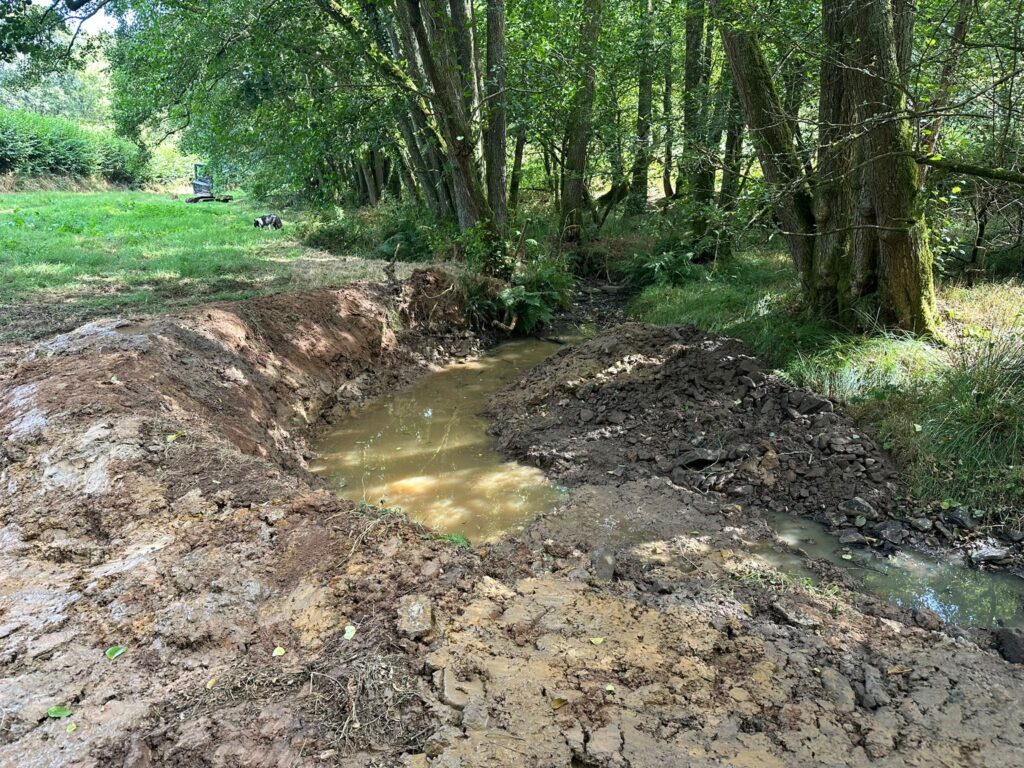
Springs, streams, runoff, fish and retained habitat all influence whether sections can be isolated, pumped down or treated in phases.
Volumes increase quickly. Suitability for on-site reuse, drying areas, handling distances and any regulatory constraints need to be considered early.
Wildlife, protected sites and water connections can affect timing and method. Where specialist survey or consent is needed, it should inform the scope before mobilisation.
Common questions
Not always. Targeted removal, channel clearance or phased restoration can sometimes recover the most important depth and function with less disturbance and lower handling costs.
That depends on its condition, volume, the available land and relevant rules. Suitable material may sometimes be managed on site, while other projects need dedicated drying, handling or removal arrangements.
Yes. Timing, retained refuge areas, staged work and appropriate planting can reduce impacts and improve the habitat that follows. Some sites may require ecological survey or formal consent.
Potentially, but the cause must be understood first. Water loss may involve banks, structures, porous ground, lining systems, inflows or seasonal hydrology, and each requires a different response.
There is no useful flat rate. Silt volume, water management, access, disposal or reuse, structures, ecology and project duration all affect cost. Good photographs, dimensions and access information help us identify the right first step.
Start with the site
Send the location, photographs, approximate dimensions, known depths, access details and a short history. We will review the information and guide you towards the most useful next step.