Rewilding in Action: If Not Now, When? 2026 at Rewilding Coombeshead
Rewilding in Action: If Not Now, When? 2026 at Rewilding Coombeshead
At SAS Aquatics, our work centres on creating and restoring ponds, wetlands and other water-rich habitats for wildlife. However, these habitats never exist in isolation. They form part of wider living landscapes shaped by water, trees, fungi, insects, grazing animals and people.
That is why I was particularly keen to attend If Not Now, When? 2026, the annual rewilding conference and festival organised by Keep It Wild at Rewilding Coombeshead near Lifton, on the Devon and Cornwall border.
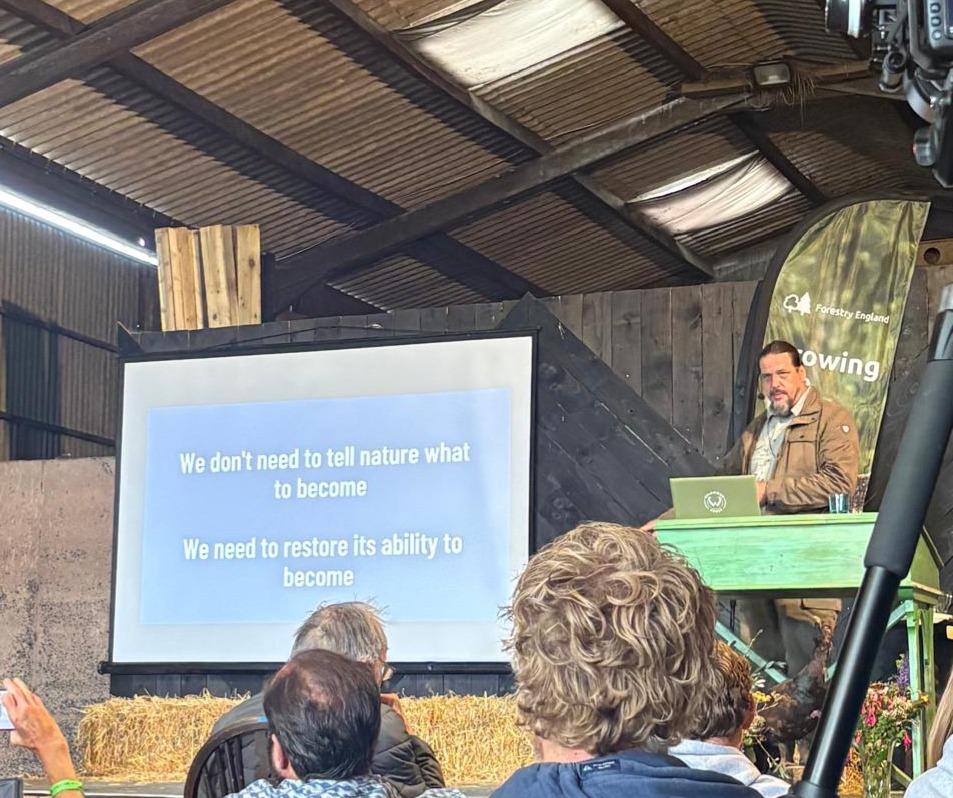
The three-day gathering brought together conservationists, writers, scientists, artists and people delivering nature-recovery projects on the ground. It combined talks and panel discussions with films, music, shared meals, practical activities and tours of the Species Recovery Centre.
It was informative, inspiring and refreshingly positive—not because the speakers ignored the scale of the biodiversity crisis, but because so many of them are already demonstrating what can be achieved.
A conference in a living rewilding landscape
Rewilding Coombeshead was the perfect setting.
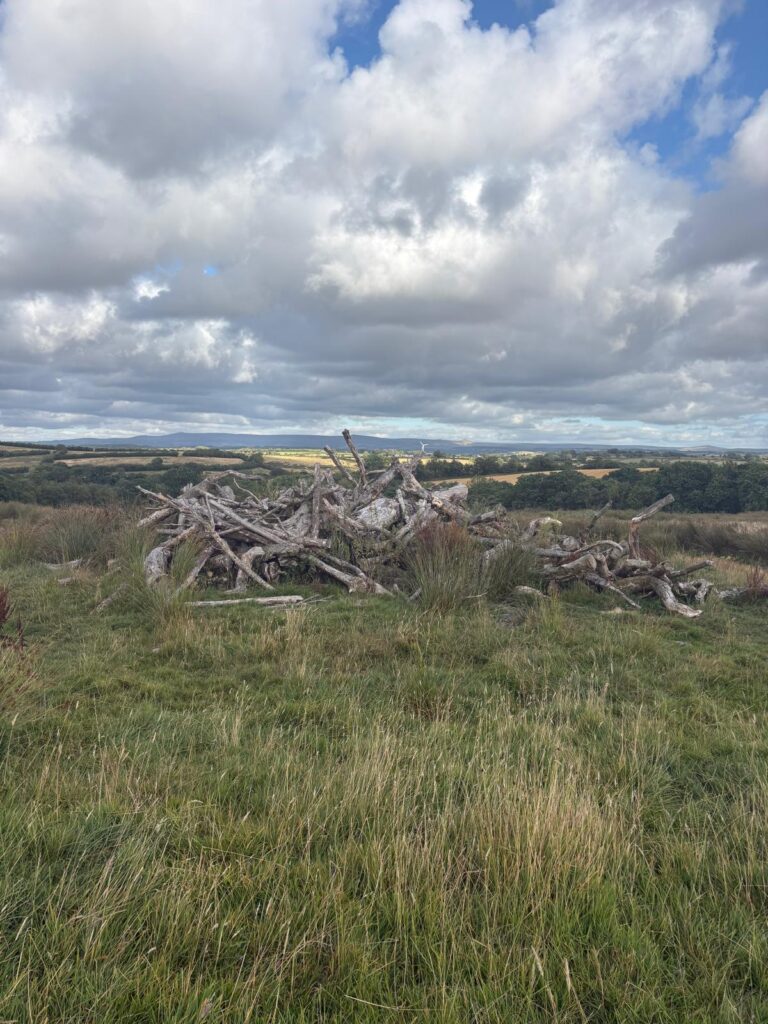
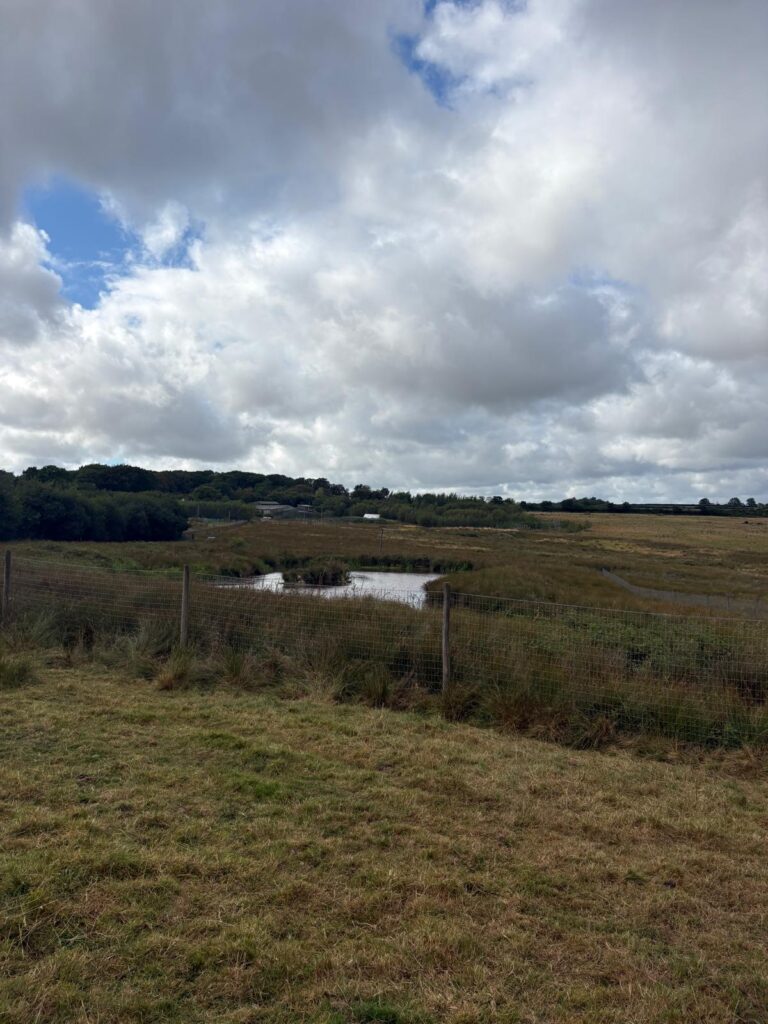
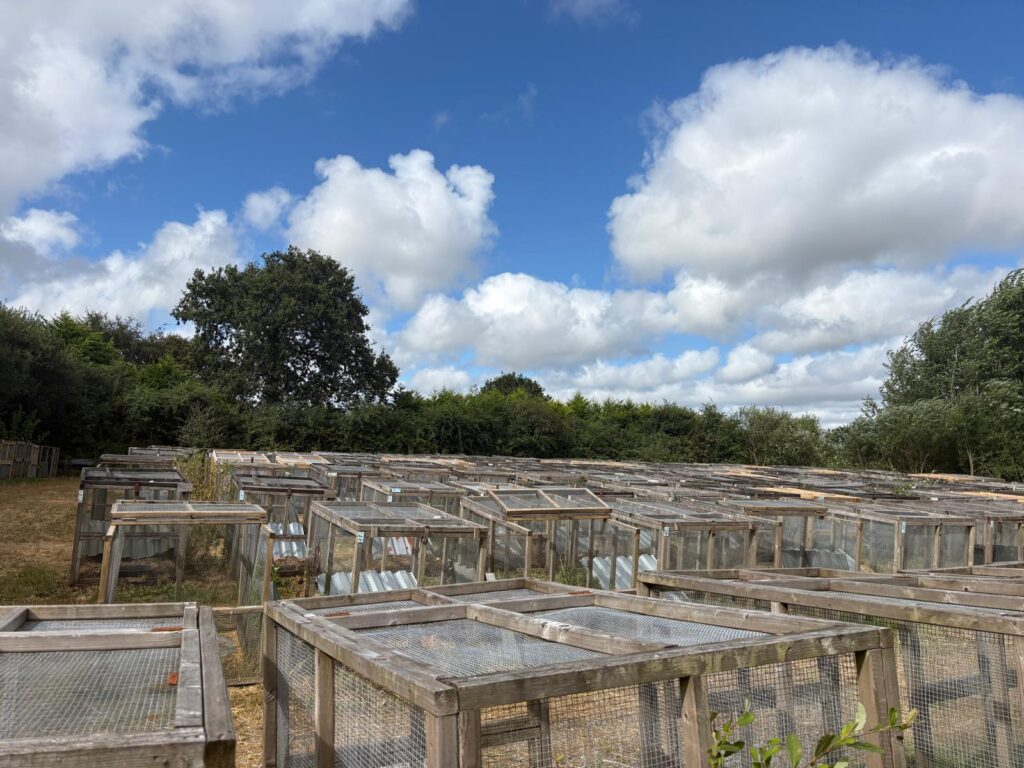
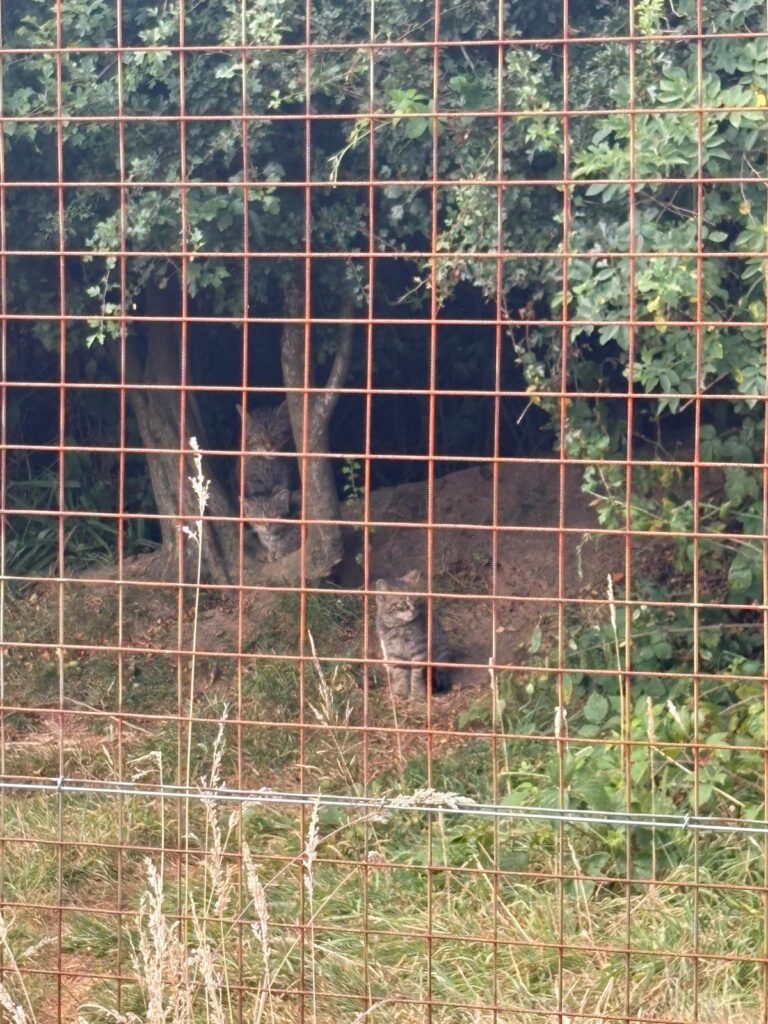
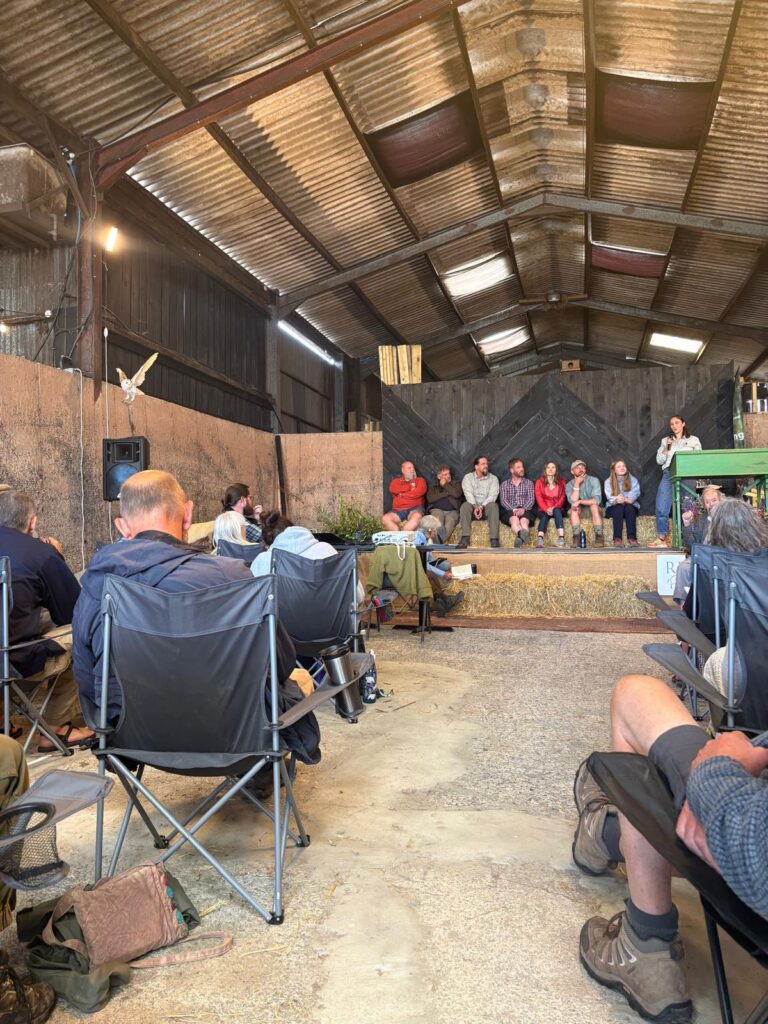
Rather than arriving at a conventional conference venue, visitors entered a working landscape where species recovery, ecological restoration and practical rewilding are already taking place. The talks were held in the wonderfully rustic “Strawditorium”, while guided tours offered a behind-the-scenes look at the work of the Species Recovery Centre.
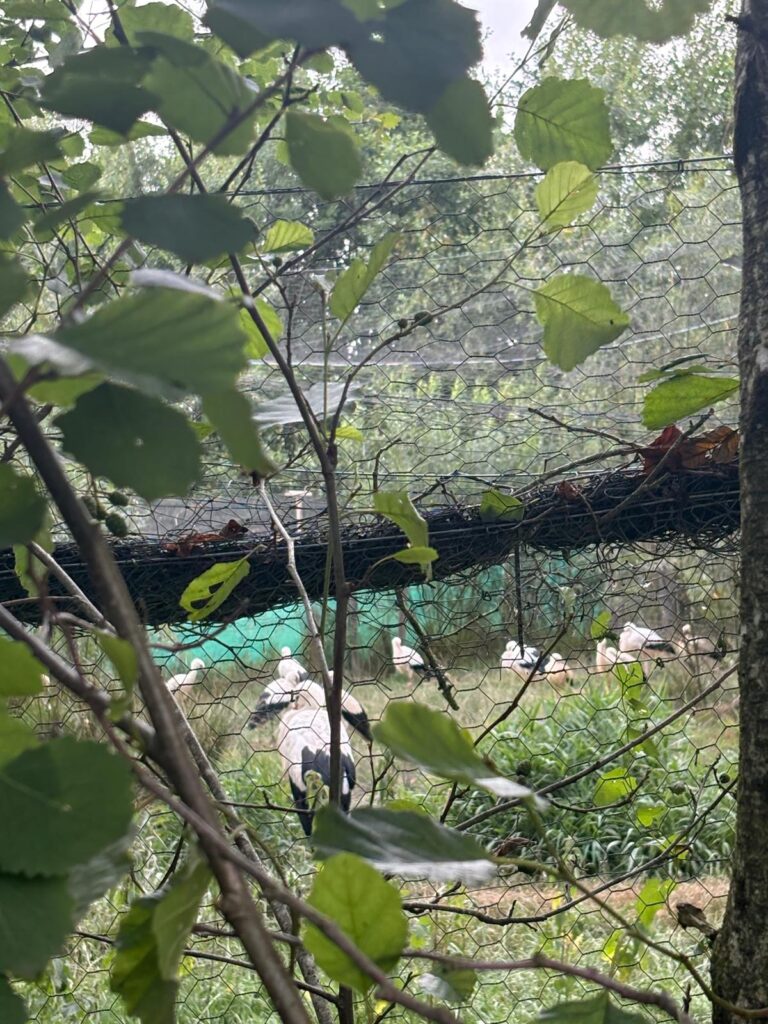
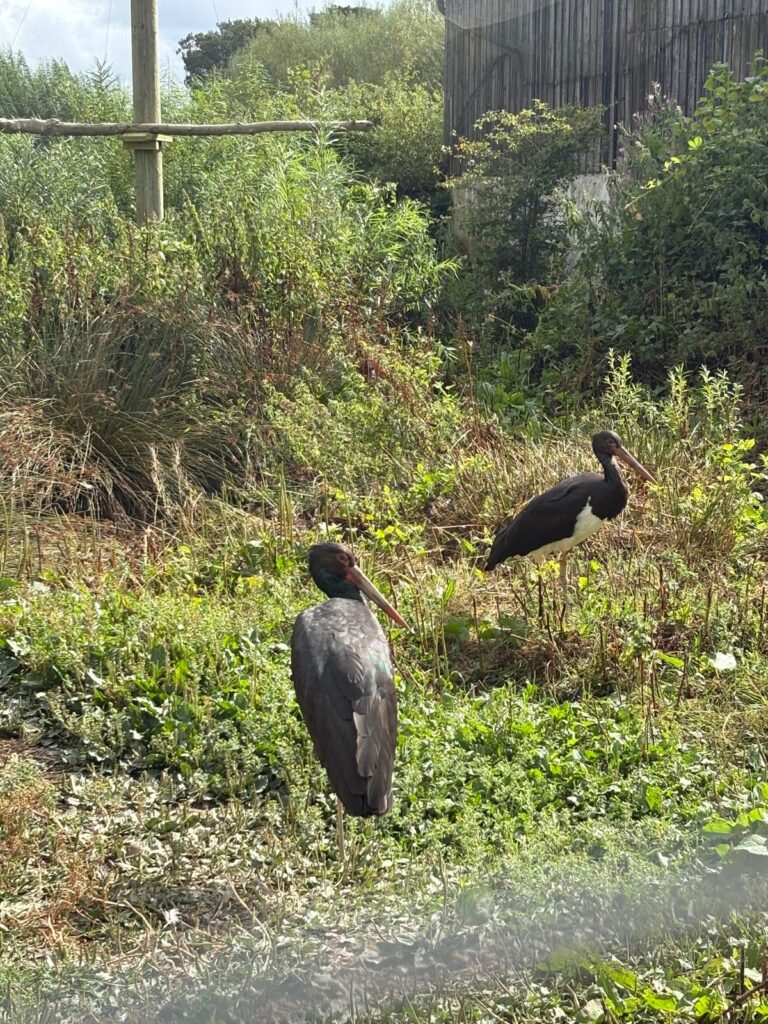
These tours helped connect the ideas being discussed on stage with the practical realities of breeding, caring for and restoring species, preparing suitable habitat and managing projects over the long term.
It reinforced an important point: bringing a species back is rarely just about releasing animals. It requires suitable habitat, functioning natural processes, cooperation between organisations and landowners, and a willingness to commit to the project for many years.
Restoring species and natural processes
The event was opened and closed by Derek Gow, whose work with beavers, water voles, white storks and other species has helped push practical rewilding and species recovery into the public conversation.
Roy Dennis drew on an extraordinary career in bird conservation and species restoration. His work demonstrates what sustained, determined conservation can achieve, including the recovery and re-establishment of ospreys, white-tailed eagles and other previously lost or threatened species.
Naturalist and author Sir John Lister-Kaye brought the perspective of someone who has spent a lifetime observing wildlife and helping people develop a deeper relationship with the natural world.
Several speakers explored how animals actively reshape habitats. Paul Whitfield discussed the future of bison rewilding in Britain, while Tom Bowser spoke about Scotland’s beavers and the changes these remarkable ecosystem engineers can create.
Chantal Lyons explored the past, present and possible future of megafauna, while wolf specialist Marc Wilbers considered wolves, coexistence and the increasing polarisation surrounding large carnivores.
Together, these presentations showed that rewilding is not simply about putting individual species back. It is about allowing animals, water and vegetation to interact and begin shaping dynamic landscapes again.
The smaller species supporting entire ecosystems
Some of the most interesting talks focused on species and ecological processes that are easily overlooked.
Fungal biodiversity specialist David Satori presented Charismatic Megafunga, highlighting the essential role of fungi within soils, woodland and wider ecosystems.
John Walters spoke about the conservation of the rare blue ground beetle and other invertebrates. His work was particularly relevant in Devon, where surviving fragments of suitable habitat can support species found in very few other places.
Noortje Looijenga offered a different perspective on rewilding by placing insects much closer to the centre of the conversation. Insects are pollinators, predators, decomposers, prey and ecosystem engineers in their own right, yet their needs are still frequently overlooked when habitats are designed or managed.
Insect migration scientist Will Hawkes explored the astonishing journeys undertaken by migratory insects. His presentation was a powerful reminder that even a small pond, wetland or flower-rich margin can form part of an ecological network extending far beyond the boundaries of an individual property.
Herpetologist Nigel Hand brought decades of practical experience working with amphibians and reptiles, particularly adders. His work demonstrates the importance of understanding how animals move through a landscape rather than concentrating only on isolated habitat compartments.
The Rocket Hive presentation from Matt Sommerville and bee conservationist Filipe Salbany added another fascinating perspective on free-living honeybees and the habitat structures they need.
For our work at SAS Aquatics, these talks were especially valuable. Wildlife ponds are often discussed in relation to frogs and newts, but their contribution is far wider. Well-designed ponds and wetland mosaics can provide breeding, feeding and drinking habitat for dragonflies, beetles, hoverflies, moths, birds, bats and many other animals.

Trees, fungi, water and connected landscapes
The event also looked beyond individual species to consider how landscapes function as connected systems.
Sam Manning presented the idea of the “flowscape”—the hidden connections between forests, rivers and oceans. Water carries nutrients, carbon, sediment and life through entire catchments. What happens in an upland field or woodland can ultimately affect rivers, estuaries and coastal habitats many miles away.
The Teatime Treetime conversation between Ted Green and Jill Butler explored ancient trees, wood pasture and the extraordinary ecological communities associated with veteran trees.
These talks connected closely with our own approach. A pond should not simply be treated as a hole containing water. Its value depends on its margins, surrounding vegetation, incoming water, soils, deadwood, shade, nearby habitats and how animals can move between them.
The most successful projects therefore begin by reading the wider landscape and understanding where water naturally wants to move, collect, spread and slow down.
The human side of nature recovery
Rewilding is as much about people as wildlife.
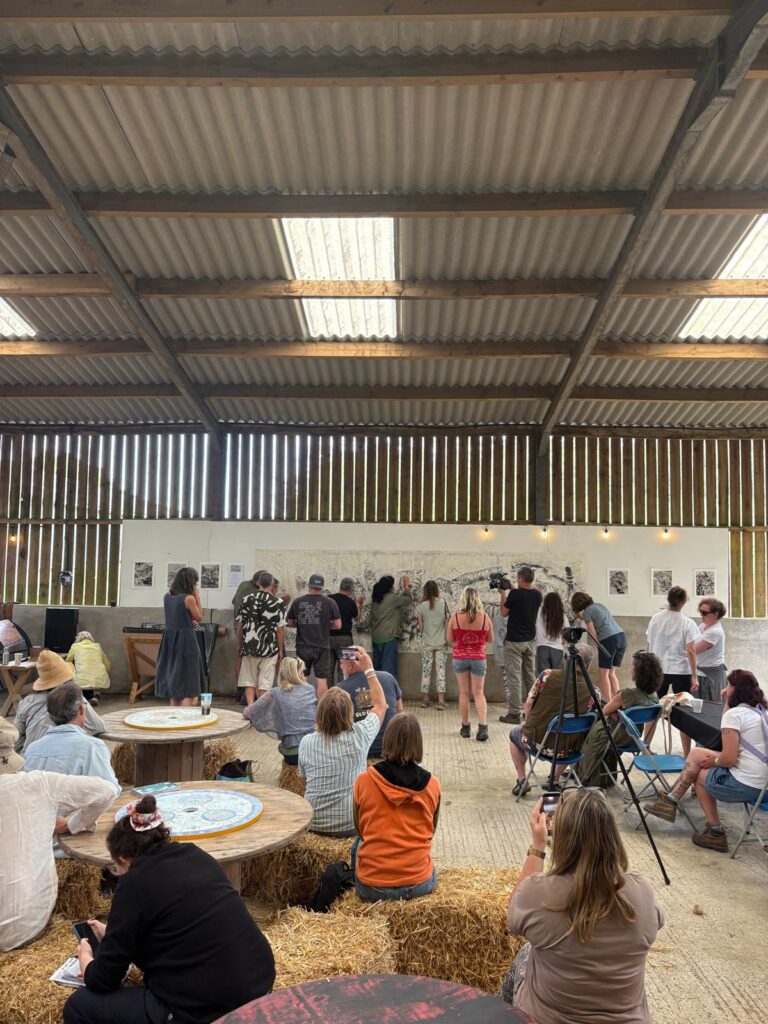
Artist Frances Gynn explored species loss through her Public Erasure work, using art to turn an abstract environmental crisis into something emotional and immediate.
Writer Hugh Warwick addressed one of conservation’s most difficult subjects in Cull of the Wild: Killing in the Name of Conservation. His work asks challenging questions about controlling one species to protect another and the ethics surrounding those decisions.
Forestry England’s Dr Amy Fitzmaurice led a session on moving from conflict towards coexistence, while Bev Nichols explored the transition from conserving designated sites towards achieving wider nature recovery.
Those discussions were an important reminder that technically sound projects can still fail without good communication. Landowners, farmers, neighbours, conservation organisations and communities all need to be involved. Listening, setting realistic expectations and acknowledging legitimate concerns are essential parts of delivering meaningful environmental change.
Derek vs Derek: rewilding, farming and finding common ground
Another real highlight of the weekend was the opportunity to watch Derek vs Derek, the new documentary following neighbouring Devon landowners Derek Gow and Derek Banbury.
The two Dereks hold very different views about the future of the countryside. Derek Gow is transforming his land through rewilding and species recovery, while Derek Banbury represents a much more conventional, intensive approach to dairy farming. Filmed over four years, the documentary follows their disagreements over land management, escaped animals, hedges, farming and what the British countryside should ultimately be for.
Despite dealing with serious and potentially divisive subjects, the film is remarkably funny, warm and human. It avoids presenting the issue as a simple battle between heroes and villains, instead allowing both men to explain their beliefs and showing how conversations between apparently opposing sides can gradually create greater understanding.
Watching it at Rewilding Coombeshead made the experience particularly special. We had spent the weekend hearing about nature recovery, farming, species restoration and coexistence, and the film brought all of those themes together through the relationship between two neighbouring people living with the consequences of very different land-management decisions.
The central question—how we restore nature while continuing to produce food—is one of the most important facing the British countryside. The documentary does not pretend there is an easy answer, but it demonstrates that humour, honesty and continued conversation may achieve far more than further polarisation. The filmmakers are also working to bring the documentary to farming and rural communities, using local screenings and discussions to encourage a more constructive conversation around food production and nature recovery.
Derek vs Derek was entertaining, thought-provoking and one of our favourite parts of an already excellent weekend. It is well worth looking out for future screenings.
What the weekend reinforced for SAS Aquatics
The strongest message I took from the weekend was that nature recovery depends on restoring processes and connections, rather than creating isolated features.
Ponds and wetlands can:
- slow and temporarily store water;
- capture sediment and nutrients;
- create breeding habitat for amphibians and aquatic insects;
- support pollinators, birds and bats;
- connect woodland, grassland and river habitats;
- increase resilience to drought and intense rainfall;
- and provide space for people to reconnect with the natural world.
That thinking already informs the way we approach our work throughout Devon and Cornwall.
We provide specialist wildlife pond creation for gardens, farms, estates and rewilding projects, alongside pond restoration and habitat enhancement, aquatic planting, seasonal pools, scrapes and larger wetland projects.
We also work as a pond and wetland delivery partner for landowners, ecologists, conservation organisations and project teams that need practical support turning ecological plans into completed habitat works.
Our aim is not just to construct something that looks attractive on completion. It is to create waterbodies and wetland habitats that become richer, more established and more valuable with time.
Looking forward to If Not Now, When? 2027
A huge thank you is due to Keep It Wild, the team at Rewilding Coombeshead, the speakers, volunteers, organisers, caterers and everyone else who created such a welcoming and worthwhile event.
It offered a rare opportunity to hear from people involved in everything from fungi and insects to beavers, bison, wolves, ancient trees and major species-recovery programmes—all within a landscape where practical rewilding is already happening.
The next If Not Now, When? event is scheduled for 23–25 July 2027, with Isabella Tree already confirmed as atending. Early-bird tickets were announced for release following this year’s festival, although a public online booking link had not yet appeared at the time of writing.
Keep an eye on the official Visit Keep it Wild for booking information and further speaker announcements.
Planning a pond, wetland or habitat project?
Send the location, photographs, approximate scale, access information and what you want the site to achieve. We will review the project and explain the most useful next step.
Explore our pond and habitat services for landowners Send project details