The Fore Nature Recovery Fund: Grants of up to £45,000
The Fore has announced a new Nature Recovery Fund, with grants of up to £45,000 for eligible small charities and social enterprises. For organisations working with communities to restore nature in Devon and Cornwall, it is an opportunity worth checking before the registration window closes.
The fund launches as part of The Fore’s Spring 2027 funding round. It is aimed at strengthening organisations, rather than simply paying for an individual pond or a list of habitat works. Read The Fore’s announcement.
The dates to know
- Registration opens: midday on Wednesday 25 November 2026.
- Registration closes: midday on Friday 4 December 2026.
- Confirmation of a place on the funding round: Monday 7 December 2026.
- Full application deadline for organisations allocated a place: 5pm on Monday 11 January 2027.
Registration is the first step, not a grant award or a completed application. Use The Fore’s funding page for the current timetable and registration route.
Who could be eligible?
The Fore’s published criteria cover UK-registered charities, Community Interest Companies limited by guarantee, and Community Benefit Societies that are charitable or have the required asset lock. Annual income must be below £500,000 in the previous completed financial year.
Not every community group or social enterprise qualifies. CICs limited by shares are excluded, and this is not a grant open directly to any homeowner or commercial landowner who wants a wildlife pond. Check the organisation’s legal structure against The Fore’s eligibility guidance and FAQs before preparing an application.
What does “unrestricted funding” mean?
The maximum £45,000 is a total grant, which can be spread over one to three years. The Fore allows both core and capital costs, but wants its support to leave an organisation stronger, more sustainable or better able to deliver its work. It is not a guaranteed £45,000 construction budget.
The Nature Recovery Fund encourages work that restores or connects habitats, improves land management and involves communities, including people who are underrepresented in conservation. The support package also includes training, skilled volunteers and opportunities to learn from other organisations.
Where might ponds and wetlands fit?
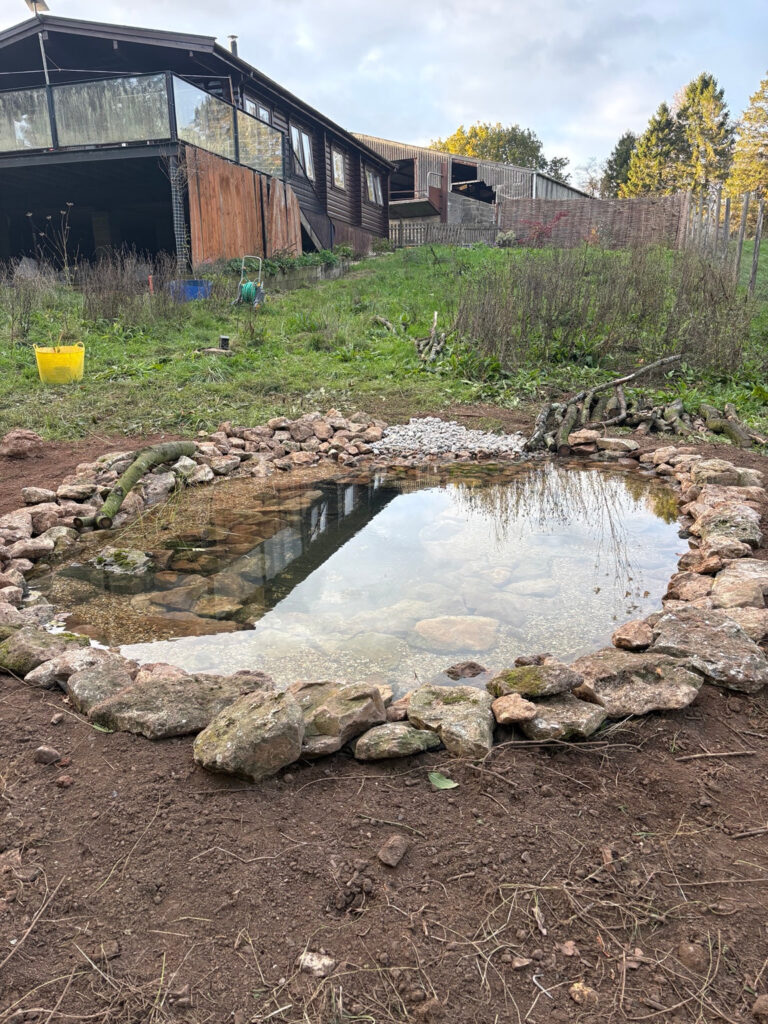
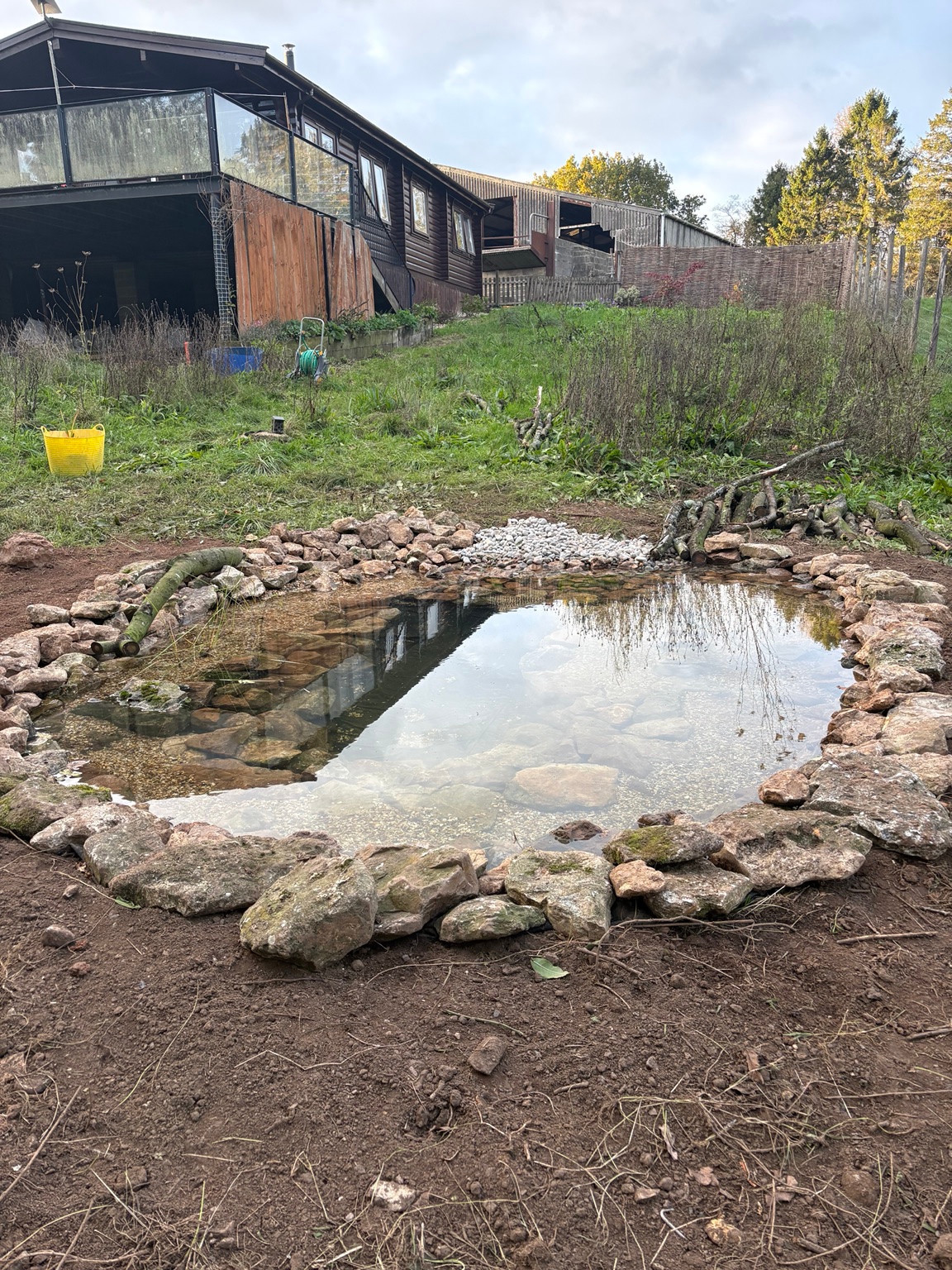
For a suitable community organisation, pond restoration, seasonal scrapes or wetland habitat could form part of a wider nature-recovery programme. Our view is that the strongest starting point is the organisation’s purpose: what it wants to change for wildlife and people, and what is preventing it from doing that effectively.
For example, a group might need the capacity to coordinate volunteers and care for several habitat sites, rather than funding only the excavation of one pond. These are ideas to explore, not a list of works approved by The Fore.
A sensible next step
Read the application guidelines, check eligibility and register during the stated window. The full application asks how the funding would change the organisation, supported by a short application document and financial information. Funding is competitive, so avoid commissioning work on the assumption that a grant will follow.
If your plans include ponds, scrapes or wetlands in Devon or Cornwall, SAS Aquatics can help establish what is practical on the ground, including access, water supply, habitat opportunities, costs and future maintenance. See our pond, wetland and habitat delivery service, or email info@sasaquatics.com with a brief outline.
Funding information checked on 16 November 2026. SAS Aquatics is independent of The Fore; eligibility and funding decisions remain with the funder.