A new wildlife pond
A naturalistic pond shaped around the garden, with varied depths, shallow margins and planting zones that make sense from the start.
Garden wildlife ponds · Devon & Cornwall
Naturalistic ponds shaped around the way your garden works—with useful depths, gentle margins, considered planting and room for life to arrive.

Designed to settle in, not stand outShape, depth, edges and future care are considered before planting or finishes.
Wildlife pond creation, improvement & restoration
We create and restore wildlife ponds for homes, gardens, schools and smallholdings across Devon and Cornwall. Each pond is planned around its setting, the people who use the space and the habitat it can realistically support.
A successful wildlife pond is more than a lined hole. The right profile, water level, margins and planting help it look settled—and become richer with time.
Choose the closest starting point
You do not need a finished design before getting in touch. A few photographs, the location and an approximate size are enough for us to give an initial steer.
A naturalistic pond shaped around the garden, with varied depths, shallow margins and planting zones that make sense from the start.
Careful help for leaking, overgrown, silted or badly shaped ponds—retaining useful habitat wherever the condition and season allow.
More useful depth, safer edges, better access, additional planting areas or a stronger connection between the pond and garden.
Purposeful marginal and aquatic planting, stone, timber and habitat details chosen to work with the pond rather than decorate it.
A pond for everyday life
The best garden ponds feel natural without becoming unmanageable. We balance habitat value with the realities of paths, children, pets, planting, maintenance and the wider layout.
Planning a larger farm or estate pond? View the landowner service →What makes a garden pond work
Wildlife value does not come from adding equipment. It starts with a pond profile, water-retention method and planting plan that suit the site.
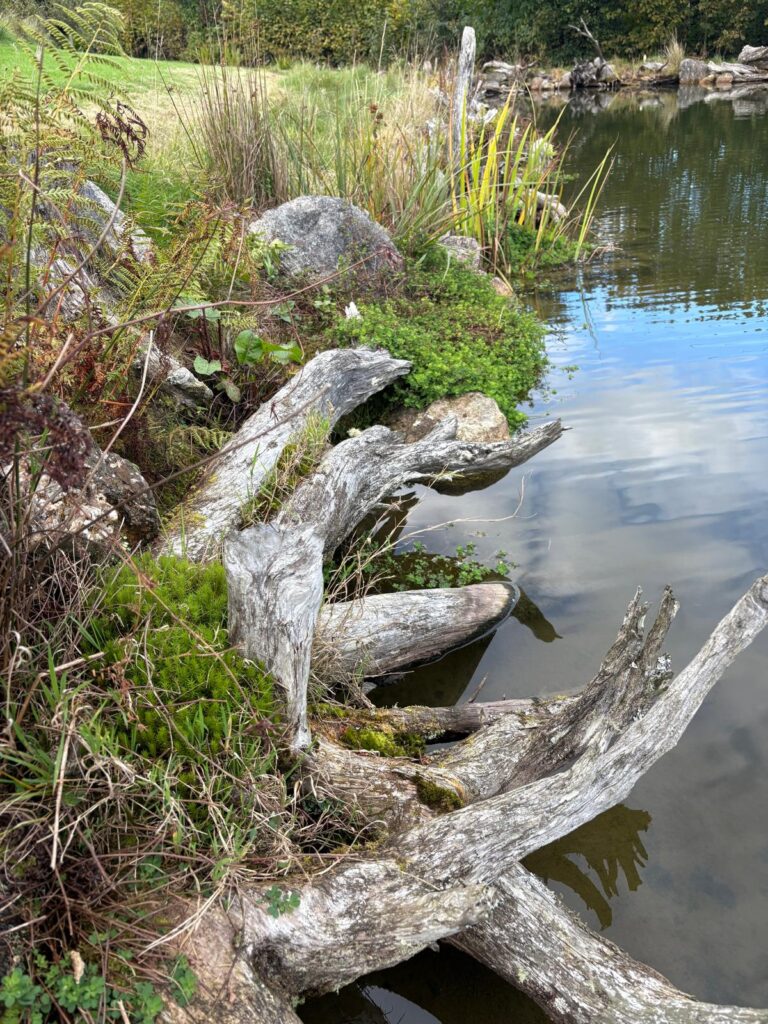
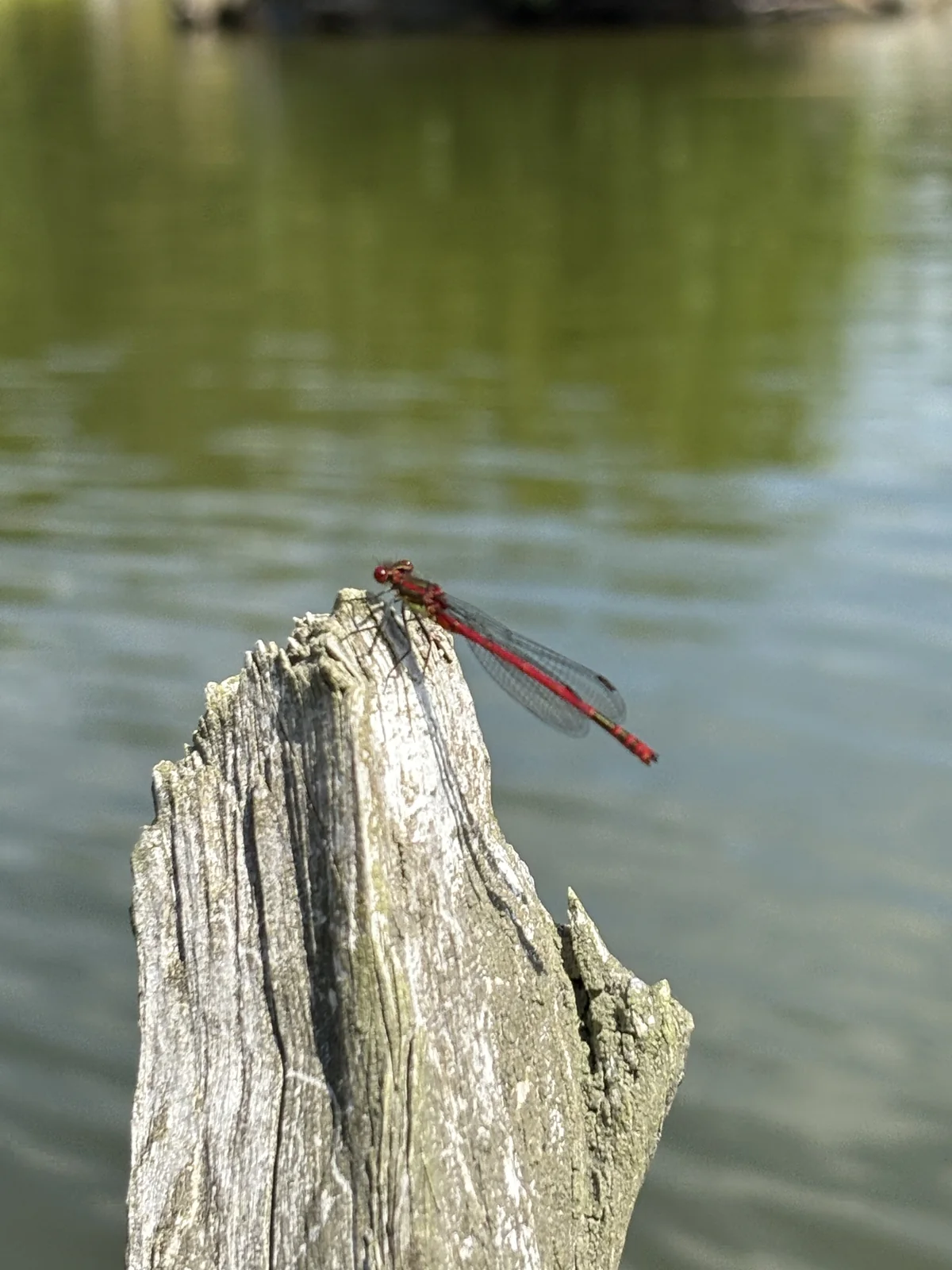
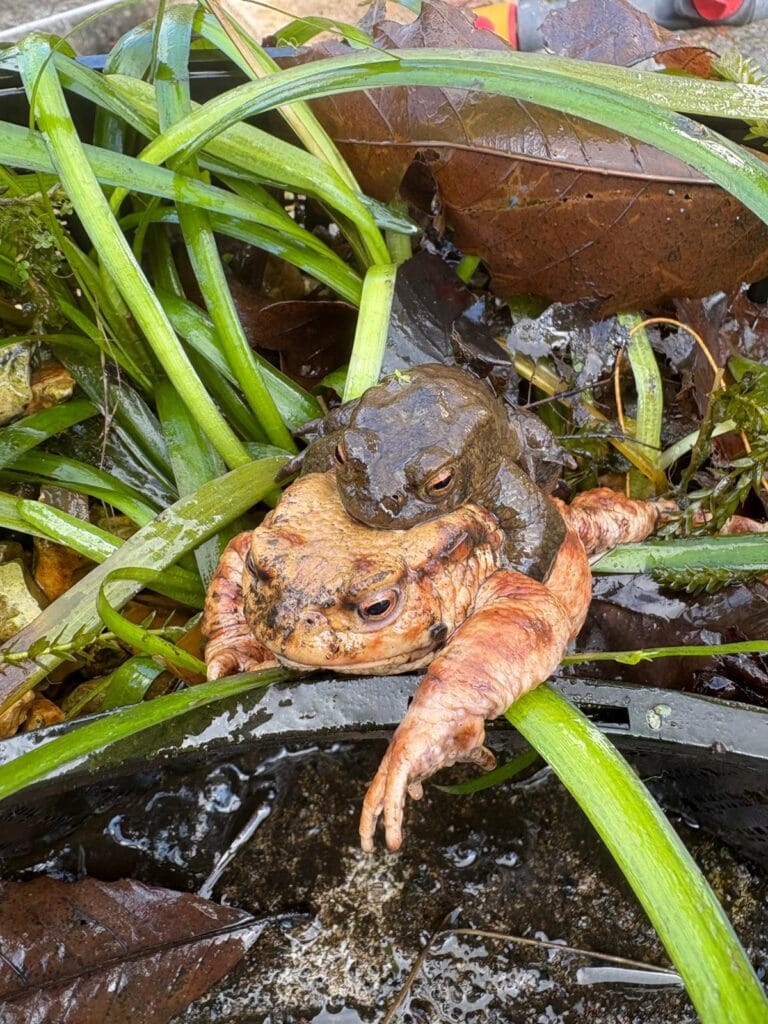
Varied shelves, gently graded edges and a carefully set water level create better habitat and make the finished pond easier to plant and maintain.
For most garden ponds, carefully installed EPDM provides dependable retention. Ground conditions, protection and edge detailing still determine how well it performs.
Site-appropriate aquatic planting, stone and deadwood provide structure and cover while helping the pond connect naturally with the rest of the garden.
A well-shaped wildlife pond often needs no pump or filter. Where amphibians and invertebrates are the priority, fish are usually avoided because they add nutrients and prey on wildlife.
How the journey works
We keep the early stage simple, then add detail only when the site and project justify it.
Send photographs, the location, approximate dimensions and what you would like the pond to achieve.
We review the information first. If a paid site assessment is the right next step, we agree its purpose and fee before anything is booked.
We define the pond form, habitat features, lining approach, planting zones, access needs and delivery plan.
Construction is followed by careful edge detailing, planting and clear guidance for establishment and long-term care.
When a site visit is worthwhile
We review the submitted details and photographs first, at no charge. A paid assessment is recommended only where the site, diagnosis or design needs to be understood before useful advice or a credible quotation can be given.
Typically included: a site meeting and practical inspection, discussion of the main constraints and options, and a concise follow-up summary with realistic next steps and early budget guidance where possible. Detailed design, measured surveys, formal reports, specialist advice and extra travel are quoted separately.
Follow-on credit: £250 + VAT is credited to the first works invoice when SAS Aquatics is commissioned within six months for qualifying construction or major refurbishment of £10,000 + VAT or more. Eligibility is confirmed before the visit.
Start a wildlife pond enquiryCommon questions
Even a modest pond can provide real value if it has clean water, varied depth, shallow access and suitable planting. The available space and how the garden is used guide the safest, most useful shape.
Often, no. Good pond shape, sensible planting and a restrained nutrient load are usually more useful than equipment. We only recommend circulation or filtration where the site or intended use genuinely calls for it.
Often, yes. Work can be carefully sequenced around retained habitat, although the right approach depends on the pond condition, season and ecology present.
Before a layout, liner or planting scheme is fixed. Early photographs and approximate dimensions give us more scope to solve the important questions efficiently.
Start with the site
Choose whether you want to create, restore or improve a pond, then share the location, approximate size and a few photographs. We will guide you to the most useful next step.