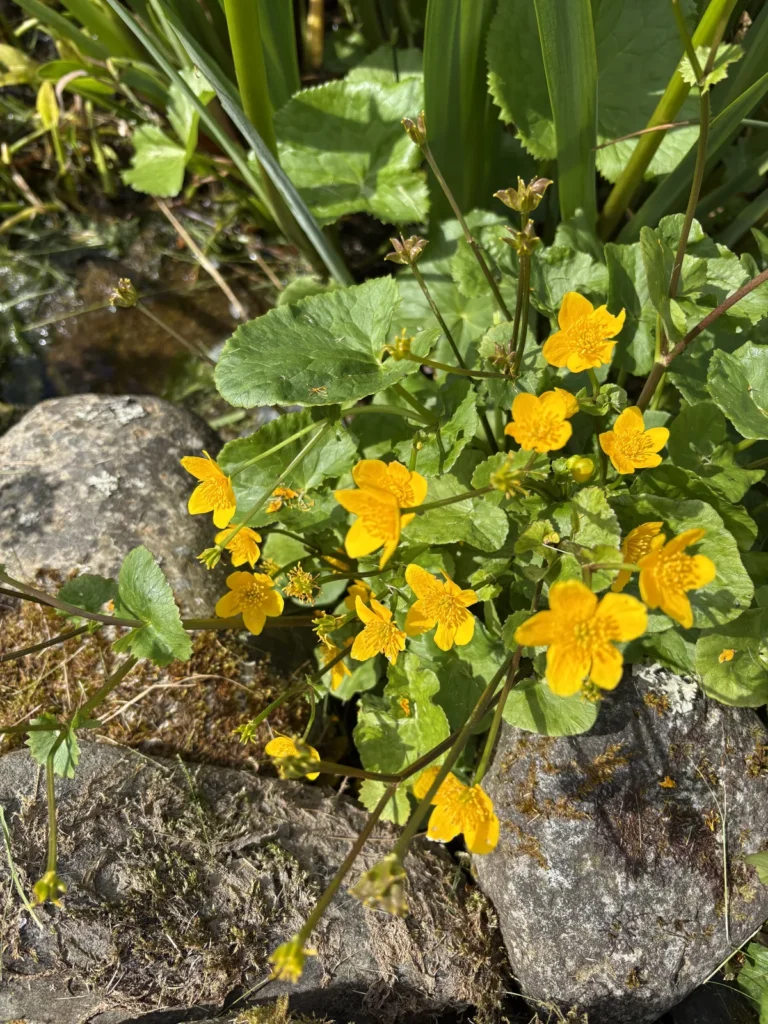
Native Pond Plants of Devon: The Complete Guide to a Thriving Wildlife Pond
Whether you’re restoring a farm scrape, designing a garden pond, or managing a community wetland, the right plants make all the difference.
Native aquatic and marginal plants not only look beautiful — they keep your pond healthy, oxygenated, and teeming with wildlife.
Across Devon and Cornwall, our clients are finding that a well-planted pond becomes the beating heart of a rewilded landscape: buzzing with insects, alive with amphibians, and balanced naturally — no chemicals, pumps, or constant maintenance required.
Why Native Plants Matter
Native pond plants have evolved to suit our local soils, rainfall, and wildlife. They:
- Support biodiversity — providing food and shelter for amphibians, pollinators, and aquatic invertebrates.
- Filter and clarify water — absorbing nutrients that would otherwise cause algae blooms.
- Stabilise pond edges — preventing erosion and improving water quality.
- Survive naturally — needing less maintenance than ornamental or imported species.
A healthy pond is a living ecosystem — and native plants are its foundation.
The Four Planting Zones of a Pond
To create a balanced ecosystem, every pond should include a mix of plants across these zones:
Deep Water Zone (30–60 cm)
- Hornwort (Ceratophyllum demersum) – oxygenator; provides cover for tadpoles and fish.
- Water crowfoot (Ranunculus aquatilis) – floating foliage and white flowers loved by insects.
Marginal Shelf (5–20 cm)
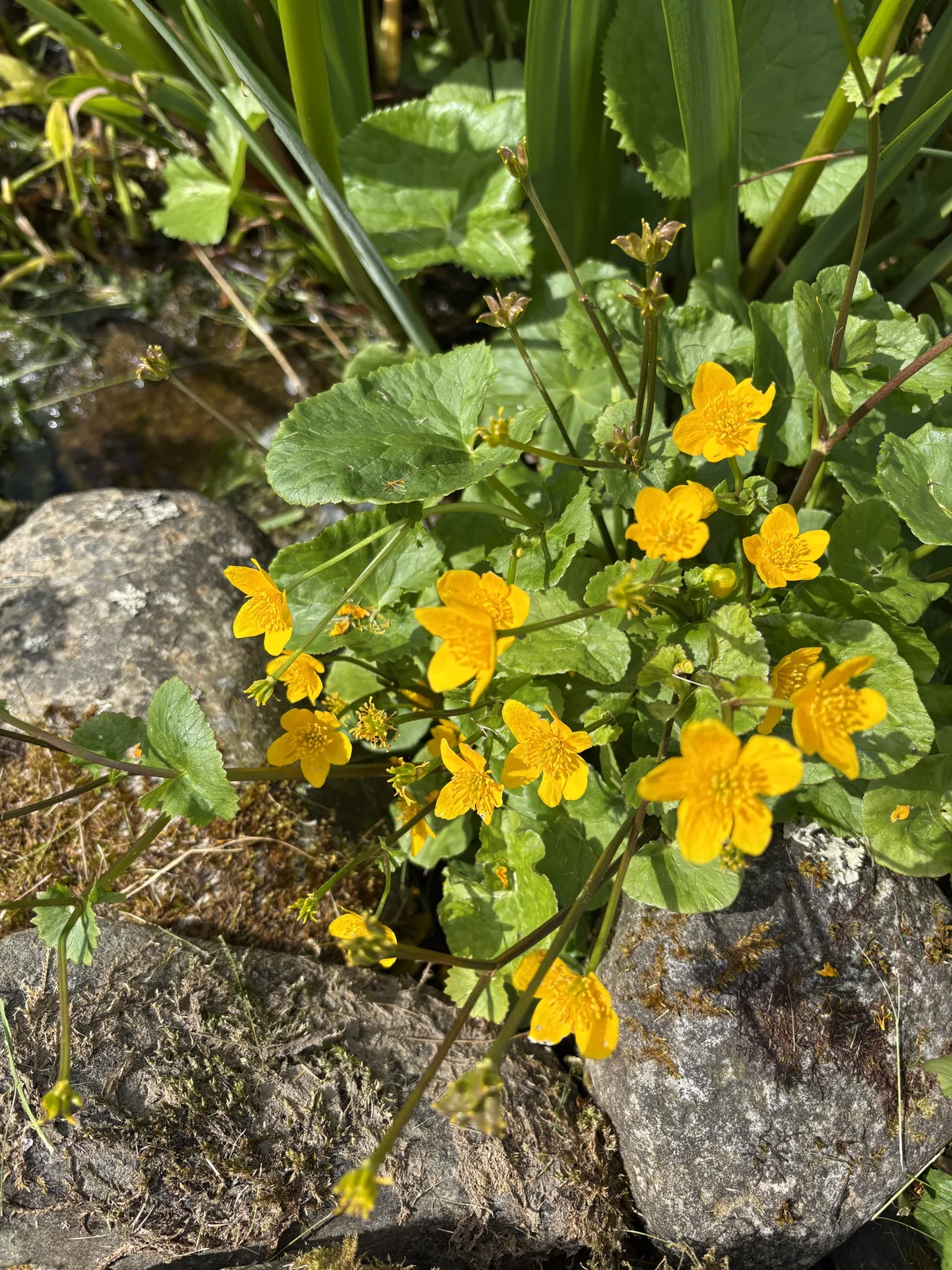
- Marsh marigold (Caltha palustris) – bright spring flowers and early nectar.
- Purple loosestrife (Lythrum salicaria) – stunning vertical flowers, great for bees.
- Water mint (Mentha aquatica) – aromatic foliage and pollinator magnet.
Damp Margins (0–5 cm or seasonally wet)
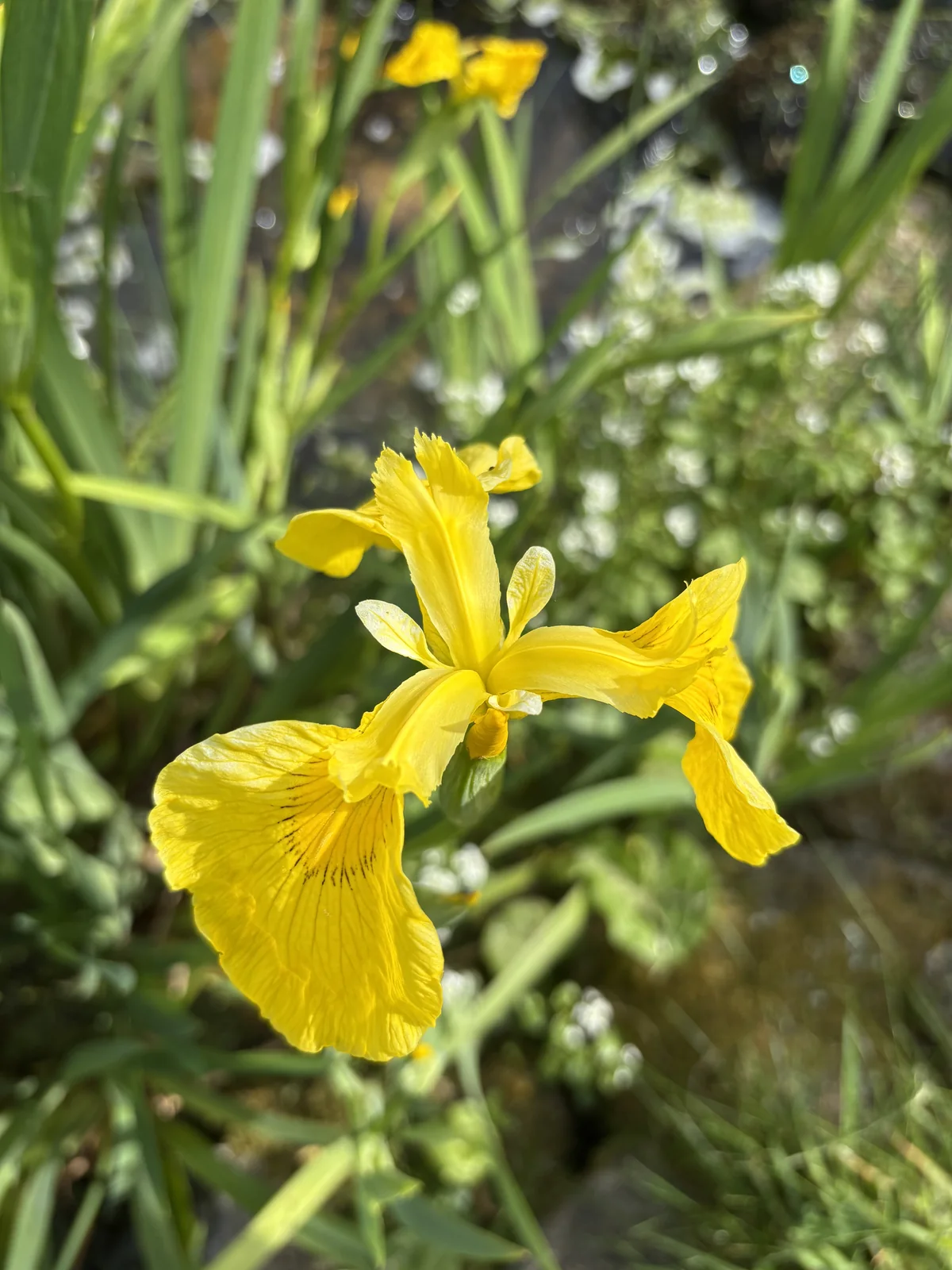
- Yellow flag iris (Iris pseudacorus) – bold structure, stabilises edges.
- Greater spearwort (Ranunculus lingua) – ideal for wildlife pond perimeters.
- Creeping Jenny (Lysimachia nummularia) – soft ground cover between rocks.
Surrounding Meadow Zone (dry edge)
- Meadow buttercup (Ranunculus acris) and red clover (Trifolium pratense) – link pond to wider meadow habitat.
How SAS Aquatics Designs Native Planting
Our Devon-based team creates planting schemes that blend ecological value with aesthetic design.
We consider:
- Soil type and hydrology (assessed using the DEFRA MAGIC tool)
- Sunlight and shade patterns
- Seasonal water level changes
- Wildlife objectives (pollinator focus, amphibian breeding, bird habitat)
We can:
- Design bespoke planting plans
- Source and supply native species from trusted UK nurseries
- Install and establish aquatic vegetation
- Monitor and manage growth through the first year for lasting balance
Avoid These Common Mistakes
Using non-native ornamentals that escape into wild waterways
Planting too densely — smothers oxygenators and limits habitat
Ignoring water depth — many natives prefer shallow zones
Removing marginal vegetation during autumn “tidy-ups”
A wildlife pond thrives on gentle management, not constant interference.
Example: Rewilded Garden Pond, Teign Valley
In 2024, SAS Aquatics designed a small garden pond using 100 % native species. Within months, it supported smooth newts, dragonflies, and wildflowers — and needed virtually no maintenance. Today, it’s the client’s favourite spot for morning coffee and evening birdsong.
Ready to Plant Your Pond the Right Way?
Winter can be a useful time to plan and source your native pond plants, ready for spring establishment.
Planning a wildlife pond?
Send the location, photographs, approximate dimensions and access information. We will review the site details and explain the most useful next step.