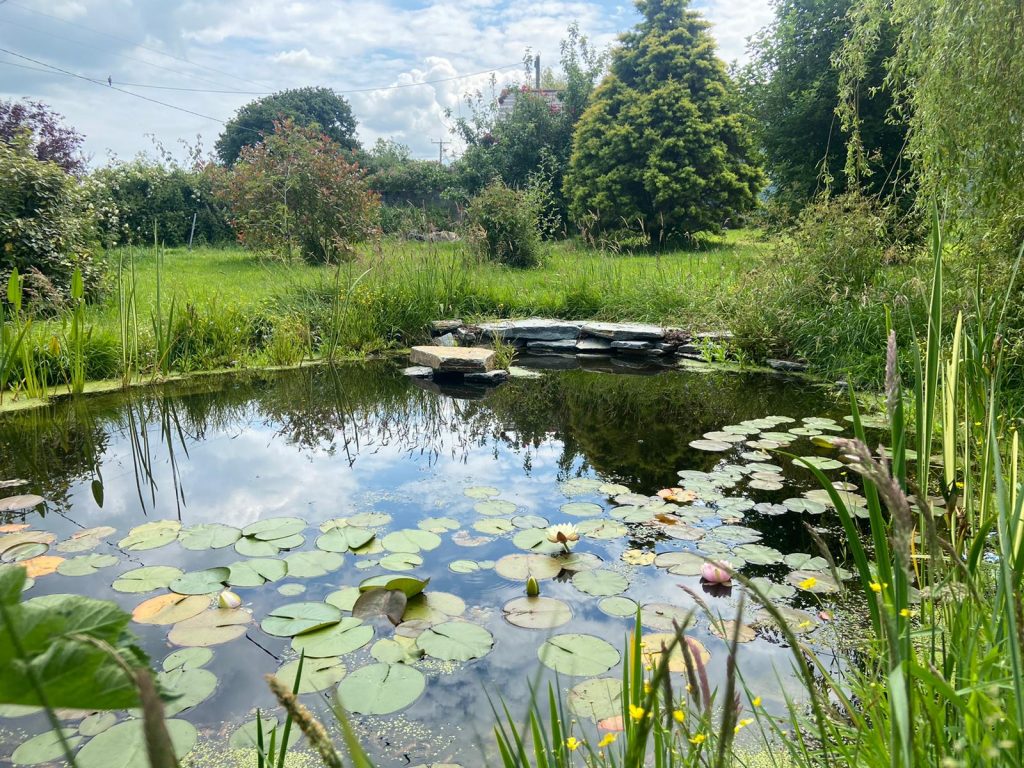
Pond Restoration & Habitat Enhancement in Devon & Cornwall
Ready to discuss your project?
Tell us about your ideas, upload a few photographs and we’ll review everything before getting in touch.
Restore, Improve and Enhance Existing Ponds, Lakes and Wetlands
Not every pond needs replacing. Many ponds can be transformed through careful restoration, habitat enhancement and ecological management.
At SAS Aquatics, we work with private landowners, farms, estates, conservation organisations and rural businesses across Devon and Cornwall to restore neglected ponds, improve wildlife value and solve common pond problems.
Whether your pond has become overgrown, heavily silted, leaking or simply no longer supports the wildlife it once did, we can develop a practical restoration plan tailored to the site.
Our aim is to create healthy, resilient water bodies that look natural, function properly and provide lasting benefits for wildlife.
Common Problems We Help Solve
Excessive Silt Accumulation
Over time ponds naturally collect organic matter, leaves, sediment and nutrient-rich silt.
This can lead to:
- Reduced water depth
- Increased algae growth
- Loss of aquatic plant diversity
- Poor water quality
- Reduced habitat value
We assess the level of silt accumulation and advise on the most appropriate restoration approach, ranging from selective removal through to full-scale desilting projects.
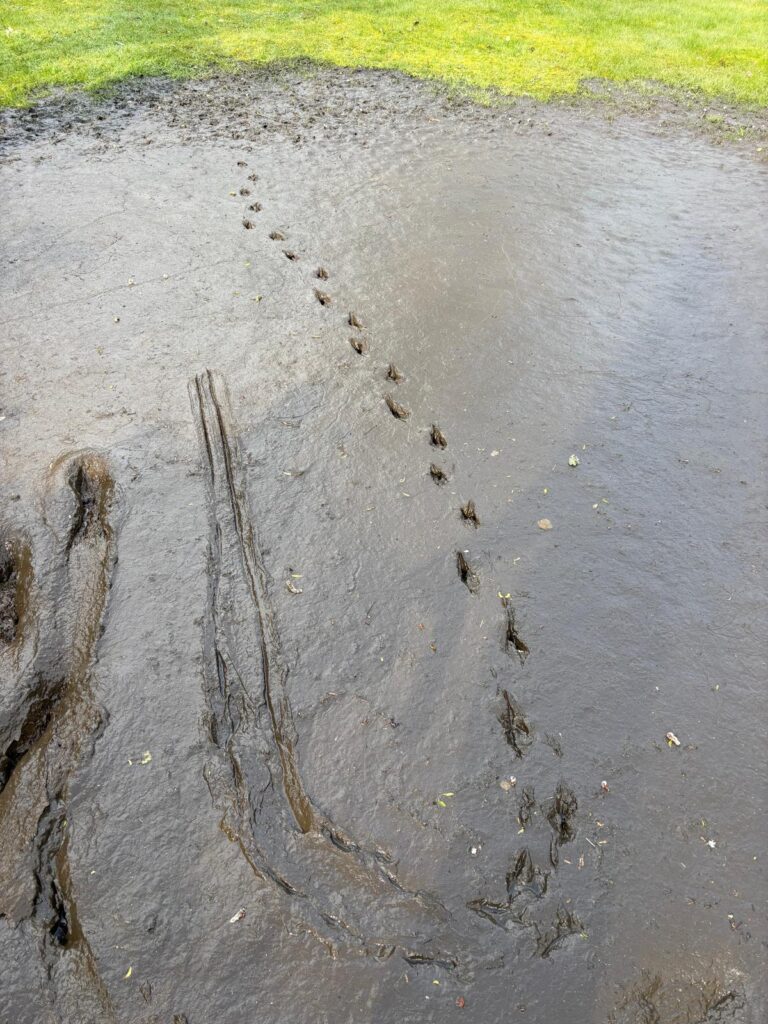
Leaking Ponds
Many older ponds suffer from water loss due to:
- Failed liners
- Damaged clay seals
- Animal burrows
- Tree root penetration
- Historic construction issues
We investigate the likely cause of water loss and advise on repair options, including clay lining, bentonite systems, geosynthetic clay liners and replacement EPDM liner systems where appropriate.
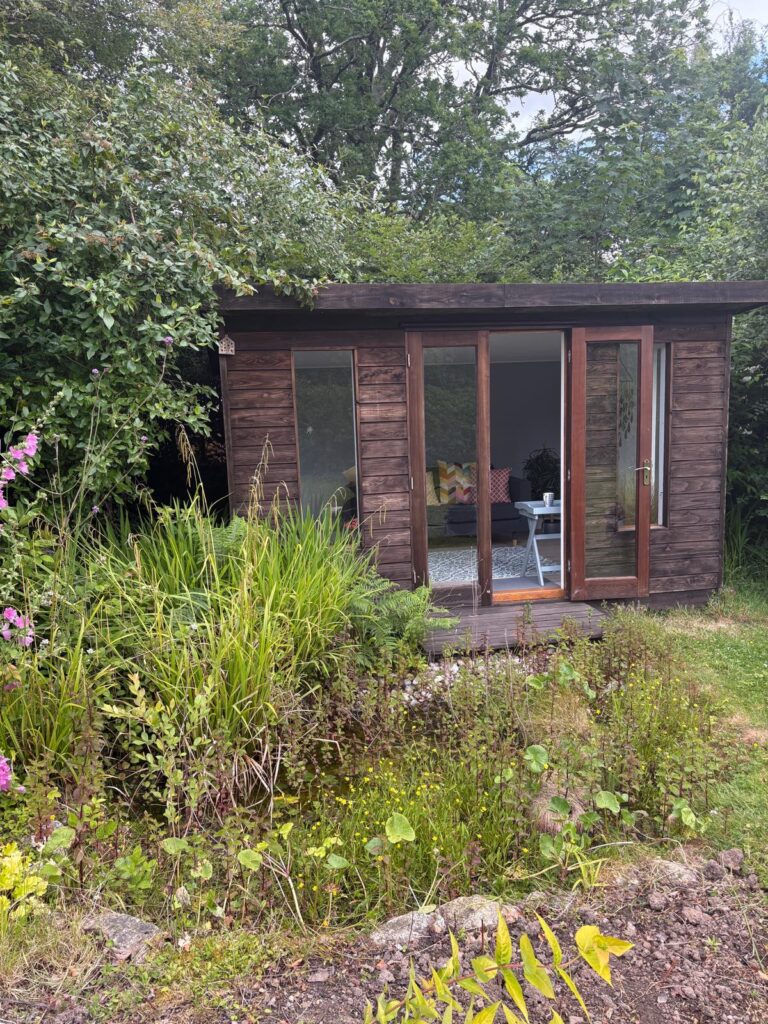
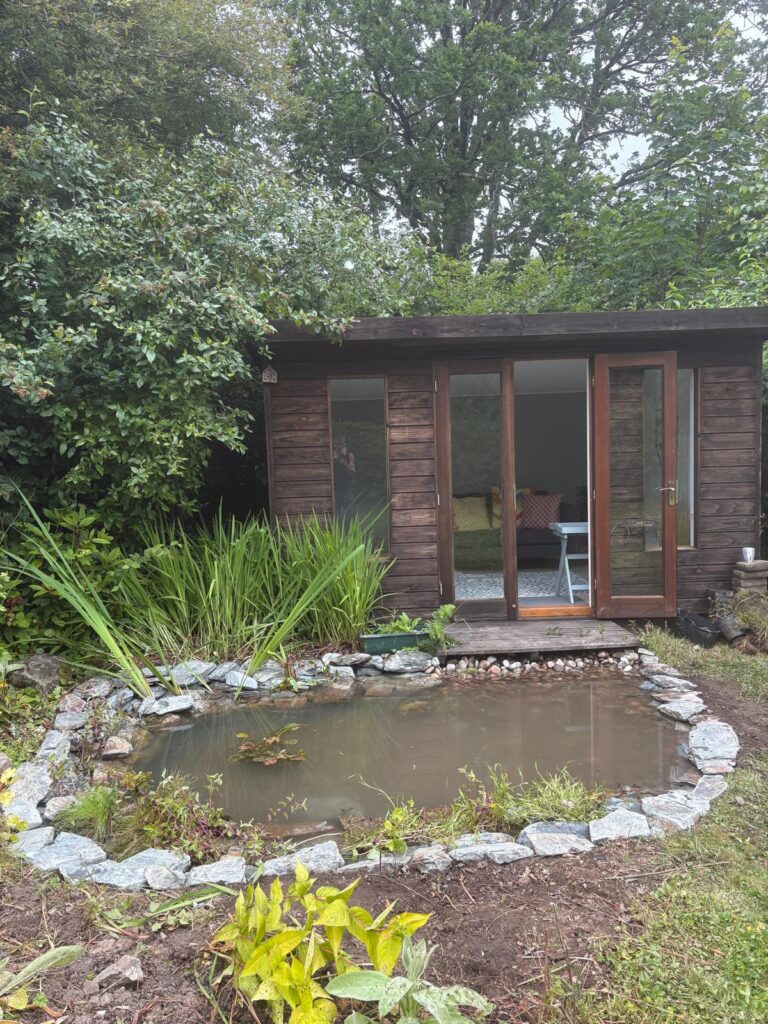
Overgrown and Neglected Ponds
Ponds that have been unmanaged for many years often become dominated by:
- Willow
- Reedmace
- Excessive marginal growth
- Blanketweed
- Invasive aquatic and wetland plants
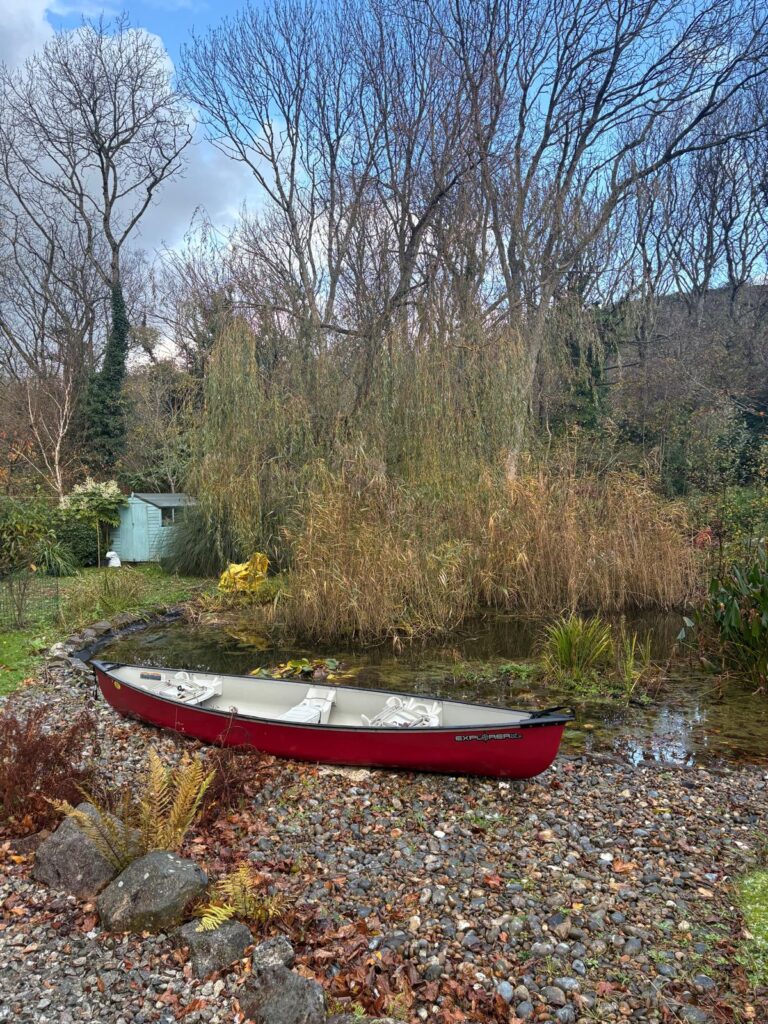
Sensitive restoration can reopen water areas while retaining valuable habitat features and established wildlife populations.
Poor Wildlife Diversity
Many ponds contain water but provide surprisingly little value for wildlife.
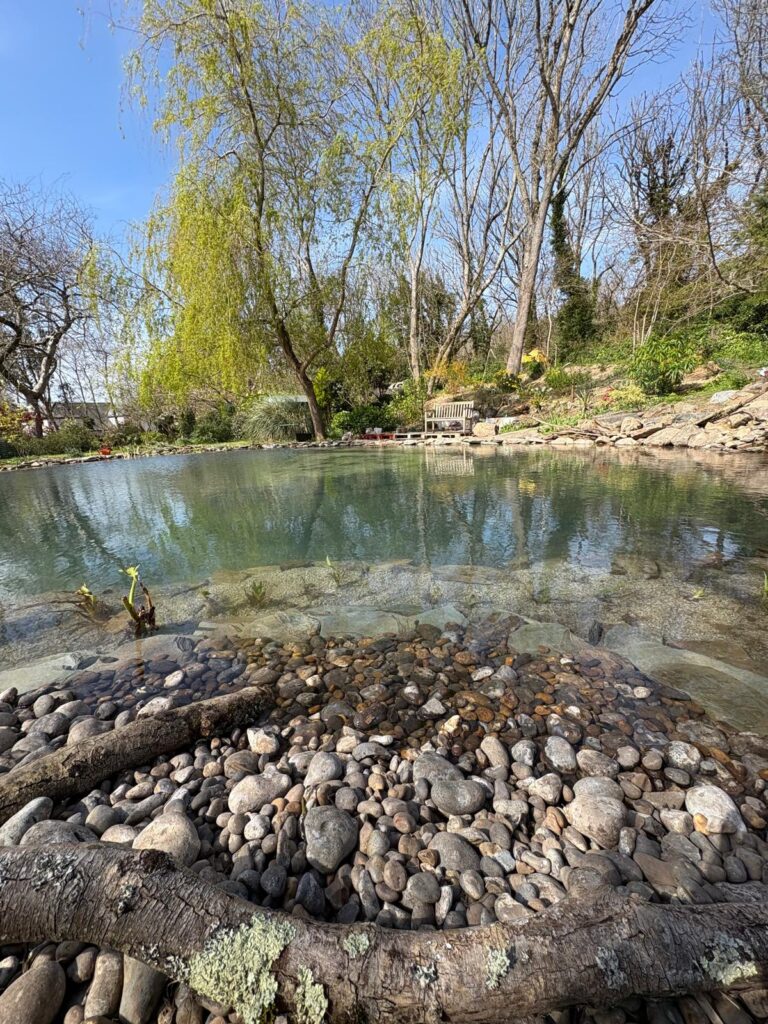
Simple habitat improvements can dramatically increase biodiversity through:
- Creation of shallow margins
- Native aquatic planting
- Amphibian habitat features
- Deadwood placement
- Wetland creation
- Seasonal pools and scrapes
Habitat Enhancement Services
Habitat enhancement often provides significant ecological gains without the need for major excavation works.
Services include:
Native Aquatic Planting
Large-scale supply and installation of native aquatic and marginal plants to improve biodiversity, water quality and visual appearance.
Wetland Margin Creation
Creation of shallow wetland shelves and habitat zones that support amphibians, dragonflies, pollinators and birds.
Wildlife Features
Including:
- Hibernacula
- Deadwood habitat
- Amphibian refuges
- Reptile basking areas
- Invertebrate habitat
Scrapes and Seasonal Wetlands
Shallow wetland features that provide valuable breeding and feeding habitat for wildlife while complementing existing ponds.
Pond Restoration for Farms and Estates
Many agricultural and estate ponds were originally created for livestock, irrigation or historic landscape features.
These ponds often offer enormous potential for biodiversity enhancement.
We regularly advise on:
- Farm pond restoration
- Estate lake enhancement
- Wildlife pond creation
- Wetland creation
- Grant-supported habitat projects
- Rewilding schemes
Where appropriate, restoration works can be designed to complement wider land management and environmental objectives.
Our Approach
Every pond is different.
We begin by assessing:
- Pond size and condition
- Water sources
- Existing wildlife
- Access constraints
- Silt levels
- Water retention issues
- Long-term management objectives
From there we develop a practical restoration strategy that balances ecological value, aesthetics and budget.
Areas We Cover
We provide pond restoration and habitat enhancement services throughout:
- Devon
- Cornwall
- Dartmoor
- Exmoor
- South West England
From small wildlife ponds to large estate lakes and wetland restoration projects.
Request a Site Assessment
If you have a pond, lake or wetland that requires restoration, enhancement or ecological improvement, we’d be happy to discuss the project.
Please include:
- Your location
- Approximate dimensions
- Photographs
- Any known issues
- Your long-term objectives for the site
We’ll then advise on the most appropriate next steps and provide an indication of likely project costs.
Phone – 08000371125
E-mail – info@sasaquatics.com
Typical Restoration Projects
- Leaking wildlife ponds
- Silted farm ponds
- Estate lake restoration
- Wetland enhancement schemes
- Pond desilting projects
- Aquatic planting projects
- Habitat creation works
- Rewilding and biodiversity projects
Devon & Cornwall
Discuss Your Project
Planning a wildlife pond, natural swimming pond, wetland or habitat project? Send us your photos, videos and ideas and we’ll be happy to help.
Can an old pond be restored rather than replaced?
In many cases, yes. Existing ponds can often be restored through desilting, habitat enhancement, leak repairs or selective regrading without requiring complete reconstruction. The best approach depends on the pond’s condition and objectives.
How much does pond restoration cost?
Costs vary significantly depending on pond size, access, machinery requirements and the extent of restoration required. Small enhancement works may cost a few thousand pounds, while large desilting or lake restoration projects can be substantially more.
Can you repair leaking ponds?
Yes. We investigate water loss issues and can advise on clay repairs, bentonite treatments, geosynthetic clay liners (GCL), EPDM liners and full pond reconstruction where necessary.
Do you remove silt from ponds and lakes?
Yes. We undertake pond and lake desilting projects where excessive sediment accumulation is reducing water depth, harming water quality or impacting wildlife habitat.
Will pond restoration harm wildlife?
Our projects are planned to minimise ecological disturbance wherever possible. Timing, methodology and habitat protection measures are considered throughout the restoration process.
Can you improve biodiversity in an existing pond?
Yes. Habitat enhancement is often one of the most cost-effective ways to improve wildlife value. This may include aquatic planting, wetland margins, shallow shelves, deadwood habitat and seasonal wetland features.
Do you work on farm ponds and estate lakes?
Yes. We regularly work with farms, estates, landowners, conservation organisations and rural businesses throughout Devon and Cornwall.
Can pond restoration be combined with wetland creation?
Absolutely. Many projects benefit from the addition of wetland margins, scrapes, seasonal pools and other habitat features that increase biodiversity and improve water quality.
Do you provide aquatic planting services?
Yes. We supply and install native aquatic and marginal plants for wildlife ponds, wetlands, lake margins and habitat restoration projects.
Do you cover Devon and Cornwall?
Yes. We provide pond restoration, habitat enhancement and wetland creation services across Devon, Cornwall and the wider South West.