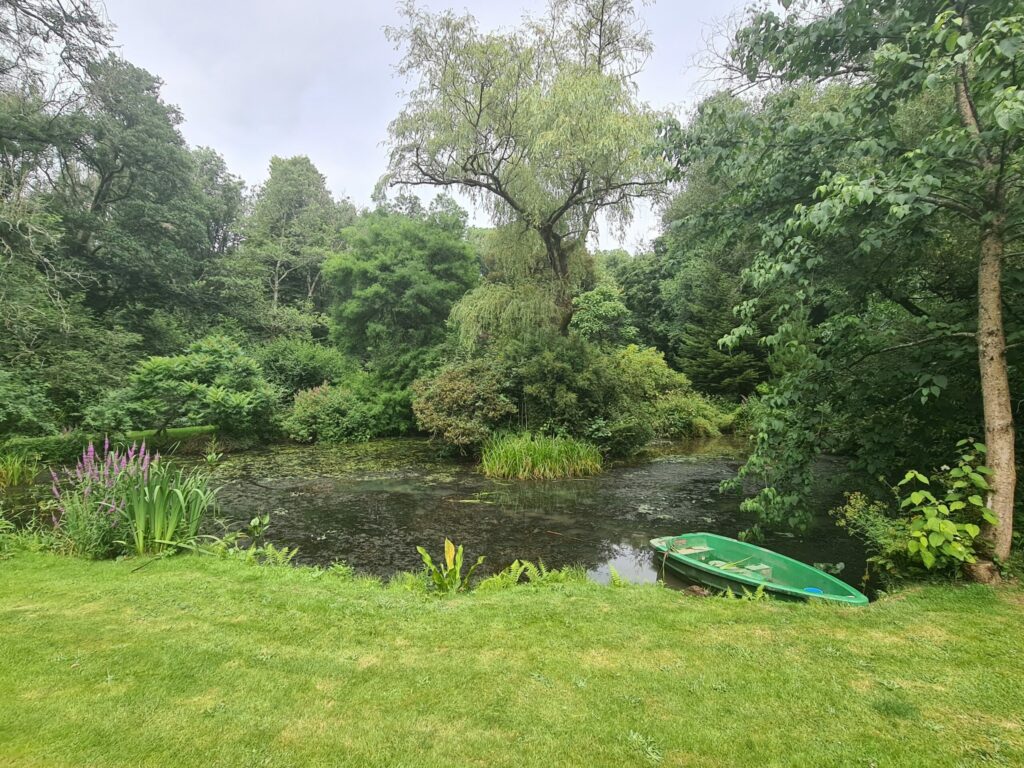
Farm and Estate Pond Construction in Devon & Cornwall
Large ponds can do two jobs at once: bring wildlife back and keep more water on your land when you need it. SAS Aquatics builds farm and estate ponds across Devon and Cornwall, designed for long term water storage, livestock resilience, and biodiversity uplift. Whether you want a new wildlife pond, an irrigation storage pond, or a larger pond with wetland margins and scrapes, we design the system around your land, your catchment, and how you actually work the site.
If you are a landowner looking for a robust, low maintenance pond build with clear outcomes, we can assess options and provide a practical build plan and quote after a site visit.
Why landowners are building ponds now
A well designed pond can deliver real outcomes on working land:
• More water held on the farm through dry spells
• A reliable drinking source for livestock where suitable
• Water storage that can support irrigation planning
• New wet habitat that boosts biodiversity and supports natural pest control
• Better resilience to heavy rainfall through capture, overflow control, and wetland buffering
• A landscape feature that can add long term value to an estate
Pond types for farms and estates
We build a range of ponds depending on your needs and the site:
Wildlife ponds at scale
Designed for maximum biodiversity, with wide shallow margins, varied depths, and habitat features that support amphibians, invertebrates and birds.
Livestock watering ponds
Practical water bodies designed around access, safety, erosion control, and long term water quality. Where needed, we can recommend separate drinking points or protected access to reduce bank damage.
Water storage ponds for irrigation
Ponds designed to store water for later use, often described as reservoirs in agriculture. Design usually focuses on reliable retention, safe overflow, and clear access for maintenance.
Linked systems
A main pond can be paired with smaller scrapes, wet margins, and silt traps to slow water, spread habitat, and reduce sediment build up.
Key design considerations for working land
Every site is different, but the same fundamentals apply on successful landowner builds:
Catchment, inflows, and water balance
We look at where water is coming from, what happens in heavy rain, and how the system behaves in summer. Getting this right is the difference between a pond that thrives and a pond that struggles.
Overflows and spillways
A well designed overflow protects banks, reduces erosion risk, and safely routes higher flows. Larger ponds often need more deliberate overflow design.
Access for maintenance
Large ponds still need future access. We plan tracks, turning areas, and safe edges so management is easy.
Safety and stock control
We can plan gentle shelves, protected margins, fenced sections, and designated access points so the pond works with livestock rather than becoming a problem area.
Ecology first, but practical
We build the pond to be functional and robust, then layer in habitat, planting zones, and complexity that increases biodiversity without making the site hard to manage.
Sealing options for large ponds
The right sealing method depends on soils, water availability, and budget.
Natural clay where suitable
If your ground has the right clay content and conditions, a clay sealed pond can be a great option.
Bentonite enhancement
Where soils need support, bentonite sealing can improve retention and is often used in agricultural pond builds.
Geosynthetic clay liner
For reliable retention with an eco focused approach, geosynthetic clay liners are a strong option for large ponds and can suit wildlife and water storage projects.
Our build process
We keep the process straightforward and transparent:
1. Site visit and objectives
We confirm what you want the pond to achieve and check constraints, access, and likely water sources.
2. Concept layout and set out
We agree shape, size, depths, and the position of margins, inflows, and overflow routes.
3. Excavation and profiling
We excavate with stable gradients, shelves for habitat, and a deeper zone for water security.
4. Sealing and protection
We install the chosen sealing solution and protect it where needed with appropriate layers.
5. Habitat features and finish
We add deadwood, stone, shelves, and edge shaping that makes the pond instantly more valuable for wildlife.
6. Aftercare and management plan
We advise on establishment, planting timing, and how to manage vegetation and silt over time.
Costs and what drives price
Large pond builds vary widely, so we quote after a site visit. The biggest cost drivers are:
• Size and depth
• Access and spoil handling
• Soil type and sealing method
• Overflow design and ground protection
• Links to scrapes, wetlands, or silt traps
• Whether the site needs clearance or enabling works
If you want a fast initial steer, send photos, a rough location, and an approximate target size, and we will advise whether the project looks straightforward or complex.
Planning and compliance notes
Rules vary by site. Larger water storage projects may involve planning considerations and water related permissions depending on how the pond is filled and how it interacts with watercourses. A practical starting point for irrigation style reservoirs is the Environment Agency guidance on planning and design.
For countryside pond and lake creation, Defra guidance also emphasises the importance of planning the design and considering soils and water retention.
If you tell us what the pond is for, where the water will come from, and whether there are nearby watercourses, we can point you toward the right route early.
Can a large wildlife pond also support livestock or irrigation needs?
Often yes, but design matters. We can plan the pond so it supports wildlife while also improving water resilience on working land, with practical measures to protect banks and water quality.
What is the difference between a farm pond and a reservoir?
Many people use the terms interchangeably. In agriculture, “reservoir” often refers to a water storage pond intended for irrigation supply, with a strong focus on retention, access, and safe overflow design.
How big should a landowner pond be?
That depends on your objectives, available catchment, and how much water you want to hold. We can advise on sensible sizes after a site visit.
Do you build ponds in Devon and Cornwall only?
Yes, our builds focus on Devon and Cornwall so we can deliver reliably and provide proper aftercare.
Can you restore an existing farm pond to increase water capacity?
Yes. Desilting and re profiling can restore depth and improve water quality, and we can add habitat shelves and overflow improvements at the same time.
If you are a landowner planning a larger pond build in Devon or Cornwall, send us:
• Your location and access notes
• A few photos
• What you want the pond to achieve
• Any preferred size range
We will come back with the next steps, likely options for sealing, and a clear route to a quote.
Call 08000371125
Email info@sasaquatics.com or complete our Large Pond & Landowner Enquiry Form