Scrapes, Swales & Seasonal Ponds: Low-Cost Water Features that Transform Biodiversity
When we think of rewilding, we often imagine vast landscapes, beavers, and sweeping ecological change. But you don’t need hundreds of acres to make a real difference. Even a single shallow scrape, swale, or seasonal pond can spark a remarkable transformation in local biodiversity — creating habitat, restoring water balance, and helping nature thrive again.
Whether you’re managing farmland, a community green space, or a private estate in Devon or Cornwall, these small-scale water features can deliver big results — often with minimal cost and maintenance.
🌿 What Are Scrapes, Swales, and Seasonal Ponds?
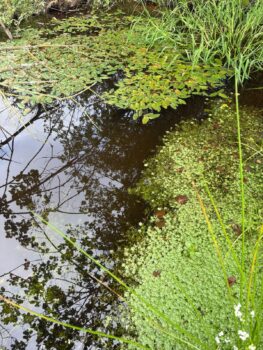
Scrapes are shallow, saucer-shaped depressions that hold water temporarily after rain, creating feeding and breeding zones for waders, amphibians, and aquatic insects.
Swales are gentle, grassed channels that slow and filter surface runoff, reducing erosion and improving soil moisture — especially useful on sloping fields or near tracks.
Seasonal ponds (or ephemeral ponds) naturally fill in winter and dry in summer, supporting rare species that depend on these temporary wetlands.
Together, these features mimic natural hydrology — reintroducing the subtle “wet edge” habitats that have almost vanished from our countryside.
🪶 Why They Matter for Nature — and You
- Boost biodiversity: Support amphibians, pollinators, and wetland birds.
- Reduce flooding: Capture and slow heavy rainfall, easing downstream pressure.
- Recharge groundwater: Improve local water retention and drought resilience.
- Enhance soil health: Reduce compaction and runoff.
- Access funding: Qualify for Countryside Stewardship, ELMS, or local rewilding grants.
And because these features often sit in marginal or low-yielding land, they can transform unproductive areas into ecological assets — and even attract payments for ecosystem services.
🧭 Where to Start
At Sasaquatics, we design and build bespoke water features tailored to your site’s soils, slopes, and drainage patterns. Our process includes:
- On-site assessment – Mapping water flow, soil infiltration, and habitat opportunities (using DEFRA’s MAGIC map).
- Design & Planning – Shaping scrapes and swales to maximise ecological and hydrological benefit.
- Implementation – Using low-impact methods with local materials and native plants.
- Aftercare & Monitoring – Tracking water levels and biodiversity changes over time.
We also help you align your project with funding criteria, making it easier to secure ELMS or Countryside Stewardship payments.
💰 Funding & Support Options (2025–26)
1. Countryside Stewardship (CS)
- Payments available for scrape and pond creation, flood storage, and habitat connectivity.
- Deadline: April 2026 (start planning in winter).
- More info: Countryside Stewardship Grants – GOV.UK.
2. ELMS (Environmental Land Management Scheme)
- Ongoing payments for maintaining wetlands and riparian habitats.
- Suitable for both farmers and smallholders.
3. Local Nature Recovery & Rewilding Britain Innovation Fund
- Targeted support for projects with community and biodiversity outcomes.
🌱 Ready to Start Small — and Think Big?
Even one scrape or swale can kickstart ecological change. Whether you’re restoring farmland or creating a community wetland, our team can help design and deliver a solution that fits your goals, budget, and land type.