
The Climate-Ready Garden: How Rainwater Ponds and Swales Protect Homes from Flooding
After another year of heavy downpours and sudden droughts, many Devon and Cornwall homeowners are asking the same question:
“How can I make my garden cope better with extreme weather?”
The answer often lies in how your land manages water. By adding rainwater ponds, swales, and permeable planting zones, you can turn excess runoff into a living asset — one that protects your property, stores water for dry months, and supports local wildlife.
What Is a Climate-Ready Garden?
A climate-ready garden is designed to work with water, not against it. Instead of forcing rain into drains and hard surfaces, it slows, stores, and filters it through natural systems.
Key features include:
- Rainwater ponds – shallow basins or ponds that temporarily store roof or driveway runoff.
- Swales – gentle, grassed channels that direct and absorb water safely into the ground.
- Rain gardens – planted depressions with deep-rooted native plants that tolerate both wet and dry spells.
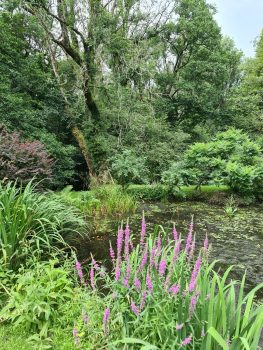
Together, these features create a resilient micro-landscape that reduces flood risk and supports nature — right outside your door.
Benefits Beyond Flood Protection
A well-designed rainwater system doesn’t just manage excess water; it also:
- Boosts biodiversity by creating new wetland habitat.
- Improves soil structure and carbon storage.
- Reduces strain on local drains and waterways.
- Adds beauty and tranquillity to outdoor spaces.
- Qualifies for sustainability or biodiversity funding in some local areas.
What starts as a practical response to flooding often becomes a feature you’ll love all year round.
How SAS Aquatics Designs Climate-Ready Gardens
Our Devon-based team combines hydrology, ecology, and design to create landscapes that manage water naturally.
We provide:
On-site assessments – mapping slopes, flow paths, and infiltration rates using the DEFRA MAGIC tool.
Bespoke designs – rainwater ponds, swales, and rain gardens tailored to soil type, property layout, and aesthetic goals.
Practical implementation – construction using local materials, native planting, and wildlife-friendly detailing.
Maintenance plans – ensuring long-term function and visual appeal.
Whether you have a compact garden or a smallholding, we can help design water systems that keep you safe, sustainable, and nature-positive.
Real Example: Swales at a Dartmoor Smallholding
After repeated flooding, a client near Moretonhampstead replaced a steep grass bank with a series of shallow swales and a small rain pond. Within months, flooding had stopped, frogs had moved in, and the site now stores over 25,000 litres of rainwater per storm event — naturally.
Funding & Support
Depending on the applicant, site and current scheme, some projects may be eligible for:
- Local Nature Recovery schemes (biodiversity benefits)
- ELMS Countryside Stewardship (habitat and water management)
- Community rewilding or flood-resilience grants for shared land
SAS Aquatics helps identify relevant funding and prepares the mapping, costings, and ecological summaries required for applications.
Ready to Future-Proof Your Garden?
Autumn and winter can be useful times to plan rainwater ponds and swales, ready for next spring’s growth and rainfall.
Planning a wildlife pond?
Send the location, photographs, approximate dimensions and access information. We will review the site details and explain the most useful next step.